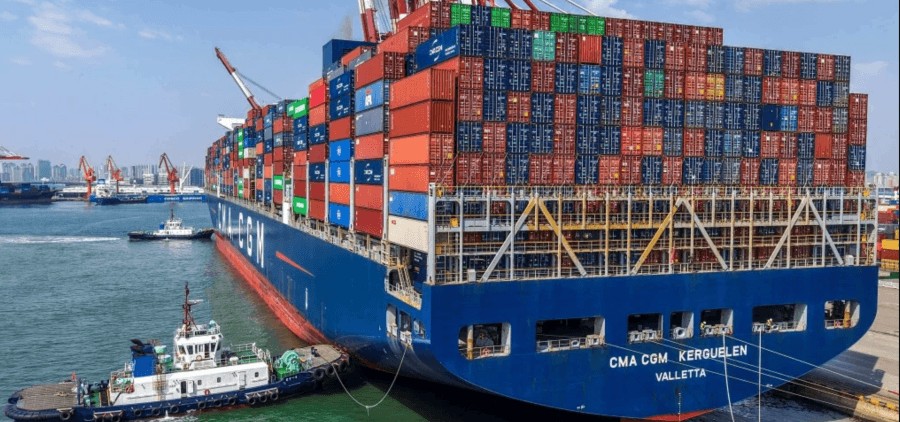
China to Canada Shipping Cost Guide 2026
Editor-User
August 25, 2026
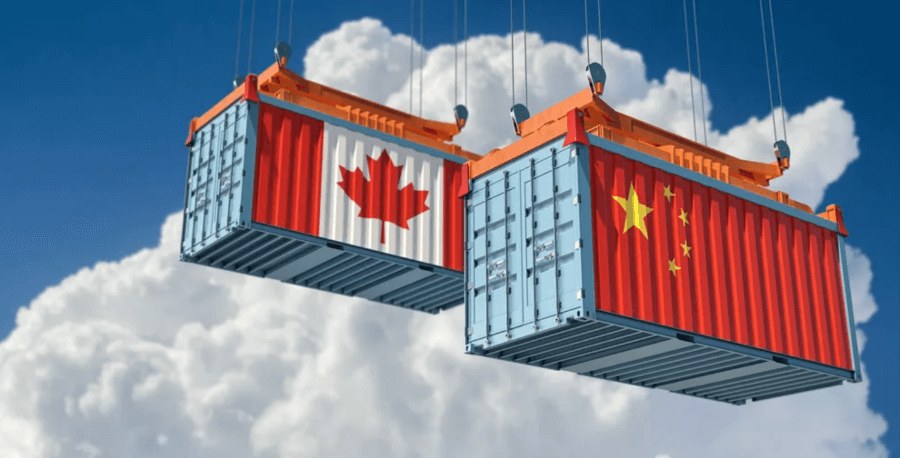
The shipping cost from China to Canada is usually one of the biggest concerns for Canadian residents and businesses planning to import goods from China.
Well, the cost to ship from China to Canada depends on the size of your shipment, how quickly you need it to arrive, and the delivery service you choose.
This guide breaks down the entire process of shipping goods from China to Canada, while focusing on the costs involved.
Let’s get started.
- How Much Does Shipping from China to Canada Cost In 2026? (Air, Sea & Door-to-Door)
- Why Is Shipping from China to Canada So Expensive?
- What Factors Affect Shipping Rates from China to Canada? (Weight, CBM, Incoterms, Destination)
- How Much Is Shipping Per Kg from China to Canada, and What About Small Packages?
- Which Shipping Method Is Best: Express, Air, Sea LCL, Or Sea FCL?
- When Should You Use Sea Freight LCL Shipping to Canada?
- When Is FCL Cheaper Than LCL For Canada Imports?
- What Does Door-to-Door Shipping from China to Canada Include?
- How Can You Reduce China to Canada Freight Cost?
- What Mistakes Increase Shipping from China to Canada Cost?
- How Does Winsky Freight Keep Pricing Transparent Before You Ship?
1. How Much Does Shipping from China to Canada Cost In 2026? (Air, Sea & Door-to-Door)
China to Canada freight cost usually varies depending on the mode of transport, type of goods in transit, their dimensional weight, and the distance to cover.
Shipping Cost from China to Canada (Estimated)
Note: All prices are indicative ranges. Actual shipping cost depends on cargo size, weight, Incoterms, destination, and market conditions
| Shipping Method | Charge Basis | Estimated Cost Level | Transit Time | Best For |
|---|---|---|---|---|
| Express Shipping | Chargeable weight (kg) | US$8-15/KG | 3–7 days | Samples, urgent small shipments |
| Air Freight | Chargeable weight (kg) | US$7-10/KG | 5–10 days | Time-sensitive commercial cargo |
| Sea Freight (LCL) | Volume (CBM) | US$100-200/CBM | 25–40 days | Small to medium shipments |
| Sea Freight (FCL 20ft) | Per container | US$2000-3600 | 25–35 days | Large shipments |
| Sea Freight (FCL 40ft) | Per container | US$3000-4500 | 25–35 days | High-volume imports |
Talking of the shipping method, it will cost you around $150-$180 per cubic meter to ship your cargo from China to Canada via LCL sea freight.
But when opting for FCL sea freight, a 40-foot container would cost around $3,000-$ 4,500. However, for a 20-foot container, you’ll pay around $2,000-$3,650.
For air freight shipping from China to Canada, which is ideal for urgent and high-value shipments, the cost is about $7–$10 per kg, depending on the destination airport.
If you intend to use express shipping, which is the fastest option, budget around $8-$15 per kg for your goods from China to reach your final destination in Canada.
2. Why Is Shipping from China to Canada So Expensive?
Shipping from China to Canada can be expensive when the import duties rise and when fuel surcharges increase, especially during peak seasons.
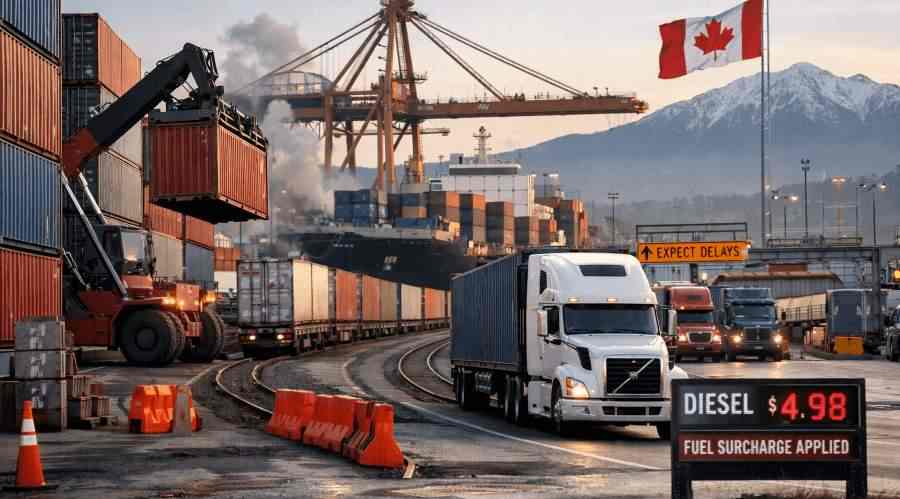
The word ‘expensive’ comes up when three things come together at once: capacity gets tight, surcharges start to rise, and routing becomes less direct than it used to be.
And if your delivery is going to Toronto rather than Vancouver, the extra distance the inland leg has to cover can raise the overall cost more than you’d think.
Just landing at the port isn’t the end of the journey.
There’s still rail, truck appointments, terminal congestion, and local delivery constraints to navigate – and they all end up on the invoice.
If your shipment needs to get there in a hurry, is big or bulky, or needs to go right to the door, that’s when you start paying for speed and scope.
3. What Factors Affect Shipping Rates from China to Canada? (Weight, CBM, Incoterms, Destination)
Shipping costs from China to Canada depend on several factors, primarily the chargeable weight (air and express), volume (sea freight), the chosen incoterm, and the final destination in Canada.
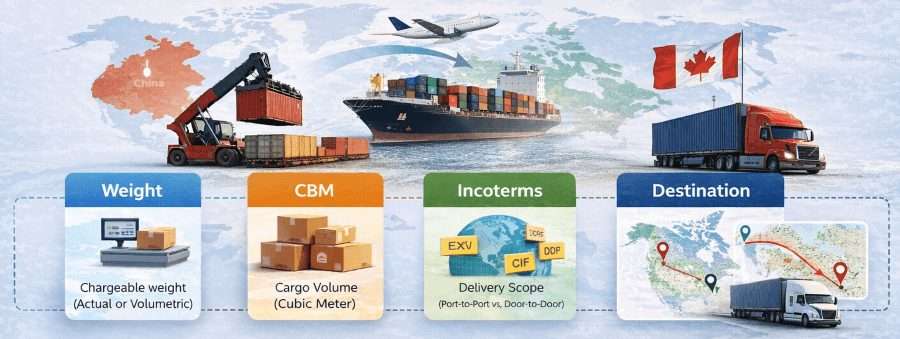
With air and express shipping, shippers and freight forwarders tend to choose a higher rate between the actual weight and the volumetric weight.
That’s why a bigger box with light goods can still cost more.
But generally, shipping cargo with a higher chargeable weight – whether actual or volumetric – can be more expensive.
For LCL shipping, you’ll receive a quote for the space your cargo occupies. Packing your items in poorly sized cartons can waste space and increase costs.
Your cargo’s delivery scope and the chosen incoterms also matter, and that’s where port-to-port and door-to-door come into play. Their cost structures vary completely.
And finally, your goods’ final destination in Canada significantly affects your shipping quote.
If you’re shipping to inland or remote destinations, you’ll incur extra costs for handling and trucking, making your freight cost China to Canada more expensive.
4. How Much Is Shipping Per Kg from China to Canada, and What About Small Packages?
The per kg cost from China to Canada depends on the type of freight you use, whether air or express, with smaller packages relatively more expensive per unit kg.
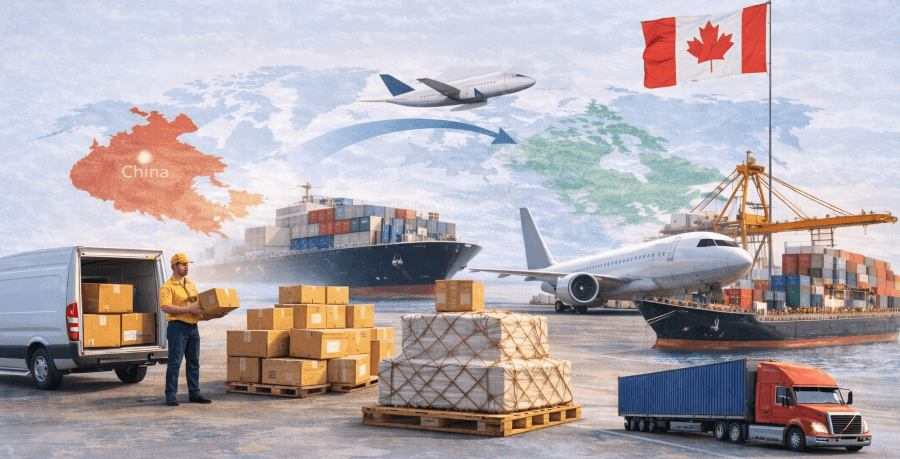
The shipping cost per kg China to Canada is mainly for air and express shipments.
If you opt for express shipping, which is ideal for small items, expect to pay $10-$50 per kg.
With air freight shipping, larger cargo (500-1000 kg) can cost around $7 per kg to transport from China to Canada, while medium-sized shipment around $8.00-$10.0 per kg.
Sea freight is the cheapest per unit kg, with larger shipments costing around $2.00 per kg
5. Which Shipping Method Is Best: Express, Air, Sea LCL, Or Sea FCL?
Consider a shipping method “best” if it suits your needs, especially in terms of transit cost, delivery speed, and shipment volume.
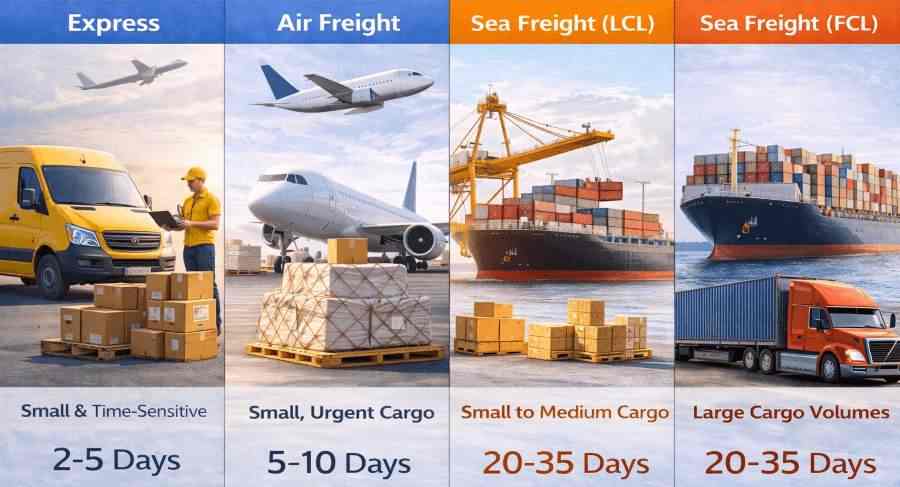
Express shipping is the best option if you plan to ship small, time-sensitive, and high-value goods. Your cargo will reach the final destination in Canada within 2-5 days.
Air freight is also the best shipping method for small urgent goods, but it takes more time than express shipping, around 5-10 days for your cargo from China to arrive in Canada.
If you plan to ship large volumes of heavy goods, particularly non-urgent shipments, sea freight (FCL) would be the best option.
However, if you’re shipping small to medium-sized goods that can’t fill a 20-foot or 40-foot container, sea freight (LCL) would be the best shipping method to go for.
6. When Should You Use Sea Freight LCL Shipping to Canada?
You should use sea freight’s LCL (Less than Container Load) option when you don’t fill up a whole container, and you can’t afford to rush things.
It’s pretty common for small businesses and new importers to choose LCL.
At first glance, LCL might look pretty cheap on the ocean shipping bill.
But then you factor in destination charges and handling fees, and things start to add up.
That’s just the way it is with LCL: your cargo is combined with other shipments and then separated again.
If you want a more straightforward experience, it’s a good idea to request a full landed-cost breakdown.
Not just the cost of shipping, but all the other costs associated with getting your cargo from point A to point B.
7. When Is FCL Cheaper Than LCL For Canada Imports?
FCL shipping is generally cheaper than LCL when importing items from China to Canada, particularly for goods exceeding 13-15 cubic meters.
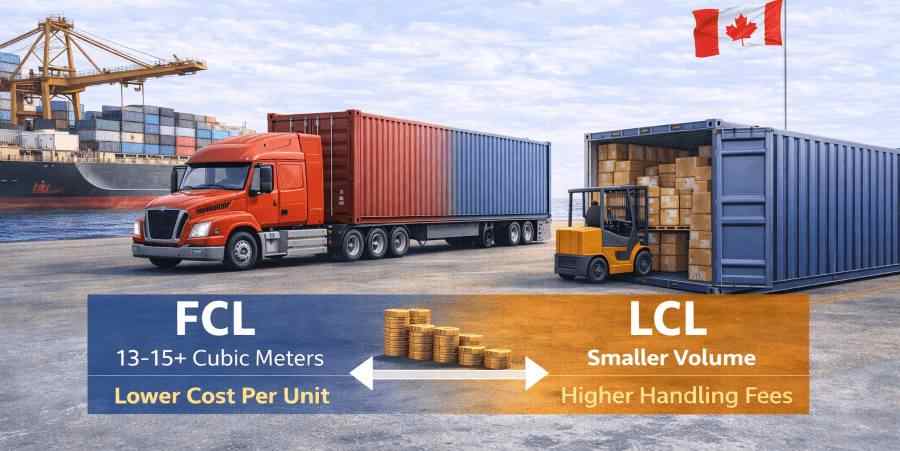
While LCL is cheaper and better for shipping small-sized items, the FCL shipping cost per unit is lower
As your LCL volume grows and handling fees eat into your savings, FCL (Full Container Load) becomes a better option.
It’s also worth considering whether you’ll be shipping regularly and want something more predictable to work with.
It’s not just a question of how much cargo you’re shipping – it’s also how much handling and destination fees will add up to in the end, and how often you’ll be making the trip.
If your volume starts to feel like it would comfortably fill a container, it’s worth comparing LCL and FCL shipping prices.
You might be surprised how close the costs are once you factor in all the different charges.
8. What Does Door-to-Door Shipping from China to Canada Include?
Door-to-door shipping involves the handling of goods right from the supplier’s doorstep in China to the buyer’s final destination in Canada.
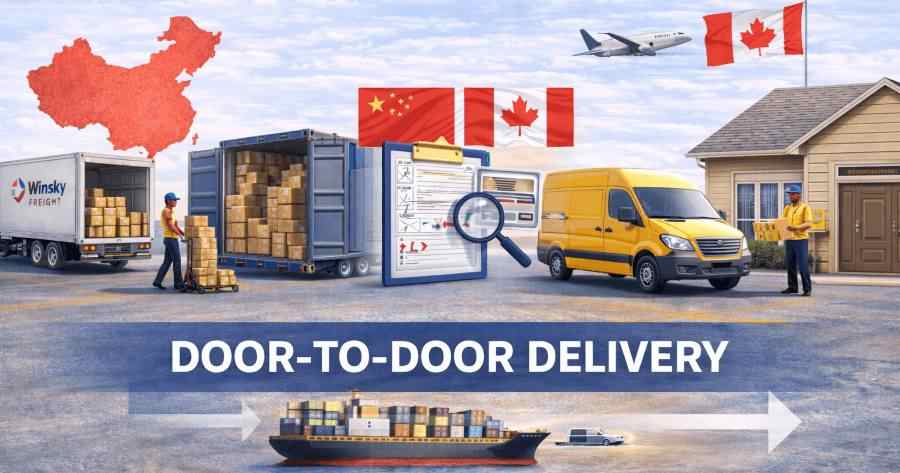
A freight forwarder, such as Winsky Freight, can help manage the entire shipping logistics, which include:
- Pickup from the supplier in China
- Consolidation of shipments (for LCL)
- Export and import customs clearance
- Main freight (sea, air, or express shipping)
- Pickup and delivery to the final destination in Canada
9. How Can You Reduce China to Canada Freight Cost?
The best way to reduce shipping costs from China to Canada is by choosing the shipping option that best suits your cargo. Sea freight is cheaper for large non-urgent shipments, while air freight is ideal for small urgent items.
Here are some other smart strategies to help you reduce your freight costs:
- Consolidate your shipments – it’s often cheaper to do a big move than multiple small ones with all the associated fees
- Get your packaging sorted – smaller cartons can reduce the chargeable weight on air and express, saving you cash
- Plan ahead, rather than leaving things to the last minute – this gives you more options and can save you from paying too much for premium services
- Choose your incoterms carefully – if you’re not clear on what’s included, you might end up with duplicated charges or gaps
- Make sure your documents are accurate – mistakes on the invoice, packing list, and HS code can hold things up and cause rework, which eats into your budget
- Don’t just add insurance as an afterthought – it’s cheap to add, but expensive if you need it later
10. What Mistakes Increase Shipping from China to Canada Cost?
Shipping from China to Canada cost can increase due to common mistakes such as improper documentation, the wrong shipping method, and poor freight planning.
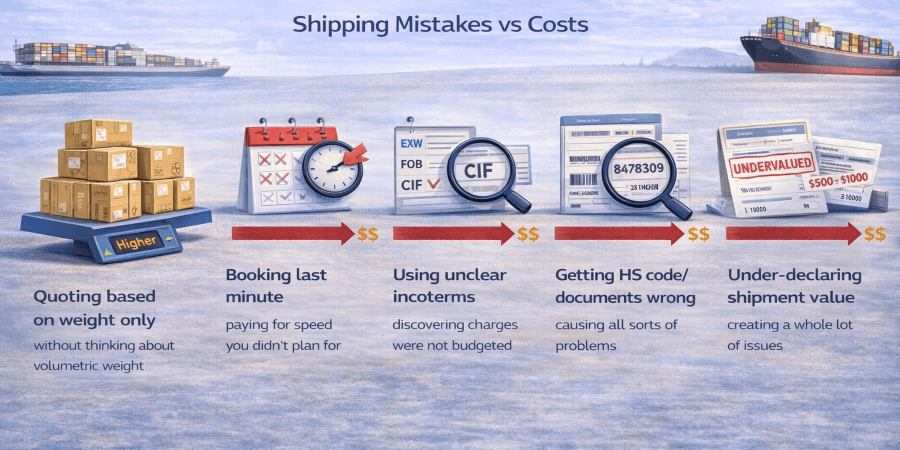
Here are the other common errors that can keep coming back to haunt you:
- Quoting based on weight only, without thinking about volumetric weight – that’s not a good basis for your quote
- Booking at the last minute and paying for speed you didn’t plan for – this is a surefire way to end up overpaying
- Using unclear incoterms and only discovering destination charges were not budgeted when it’s too late
- Getting the HS code or documents wrong – this can cause all sorts of problems, from customs friction to delays
- And then there’s under-declaring the value of your shipment – that’s a bad idea that can create a whole lot of issues
11. How Does Winsky Freight Keep Pricing Transparent Before You Ship?
At Winsky Freight, we maintain pricing transparency before we ship by offering you a comprehensive quote that eliminates hidden fees.
With our approach, we ensure you understand the logistics and total landed cost, including customs clearance and documentation, before your goods leave the factory in China.
And to keep things even more transparent, we map out the whole journey for you, step by step: pickup, consolidation, export docs, booking, clearance coordination, and delivery.
Need an accurate shipping cost from China to Canada?
Share your cargo details, Incoterms, and destination — and get a clear, itemized cost breakdown before you ship from China to Canada.