
6000+
Cooperating customers
100+
Countries we ship
2000+
orders fulfilled each week
10+
years of experience
SHIPPING FROM CHINA
Whether you are a new importer or an experienced Amazon seller, choosing the right freight forwarder from China directly impacts your profit and delivery reliability.
Winsky freight has been focus on the shipping from China business for over 10 years, We will provide you with clear quotation and tailored shipping solution to meet your shipping demands.
If you are looking for the reliable China freight forwarder to shipping goods from China, contact us today and move your cargo with confidence.
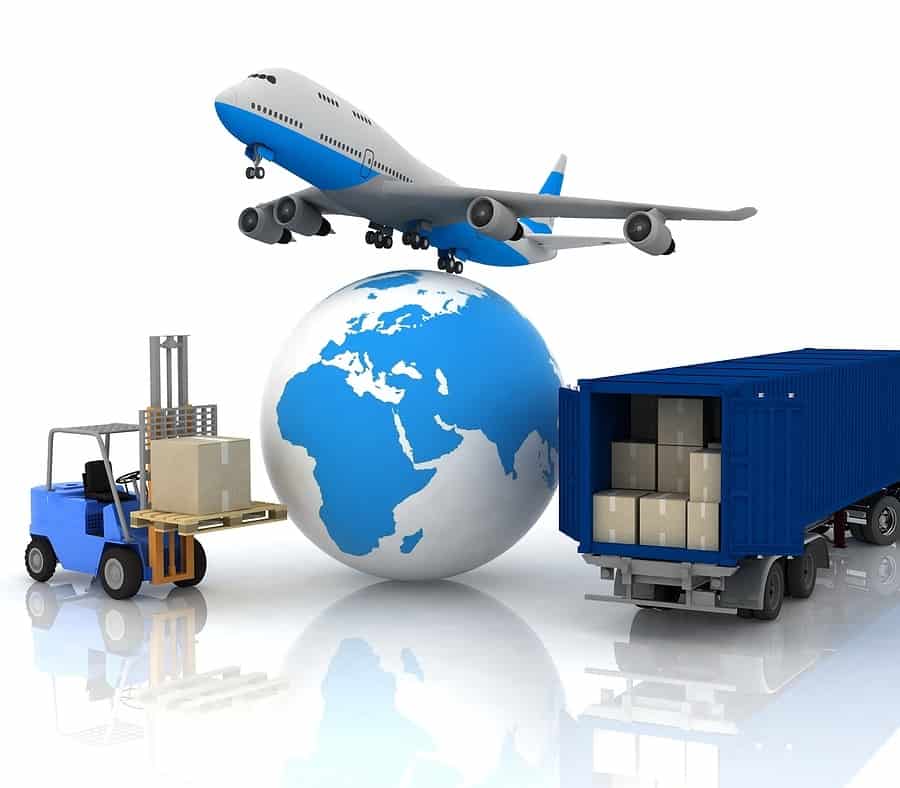
BENEFITS FOR CUSTOMERS
Shipping Methods
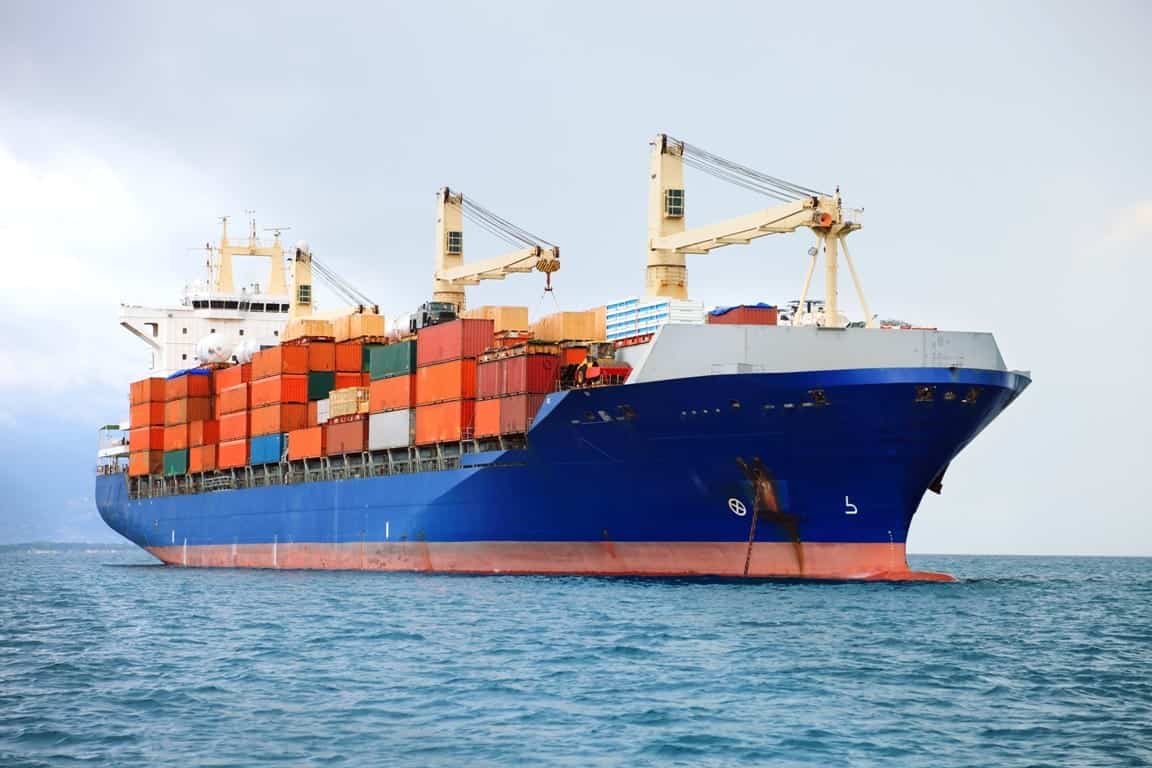
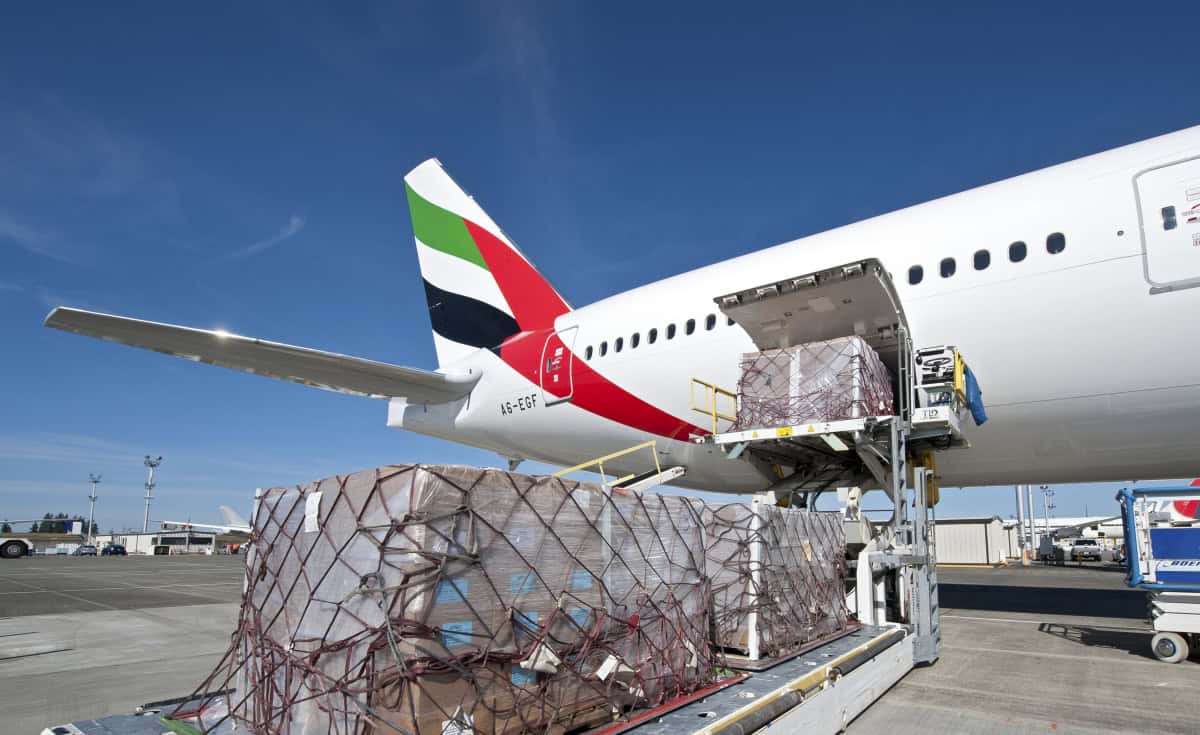
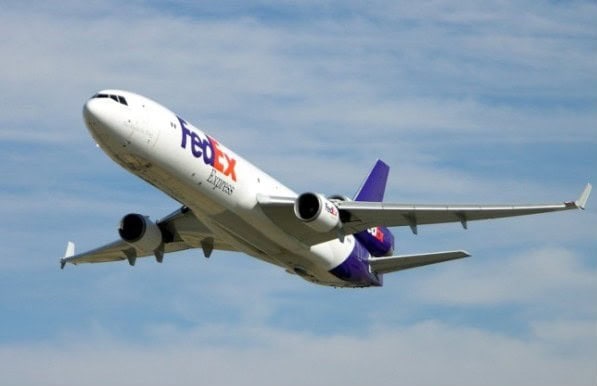
Our Global Shipping Network
Connecting China to major destinations worldwide with efficient and reliable freight services
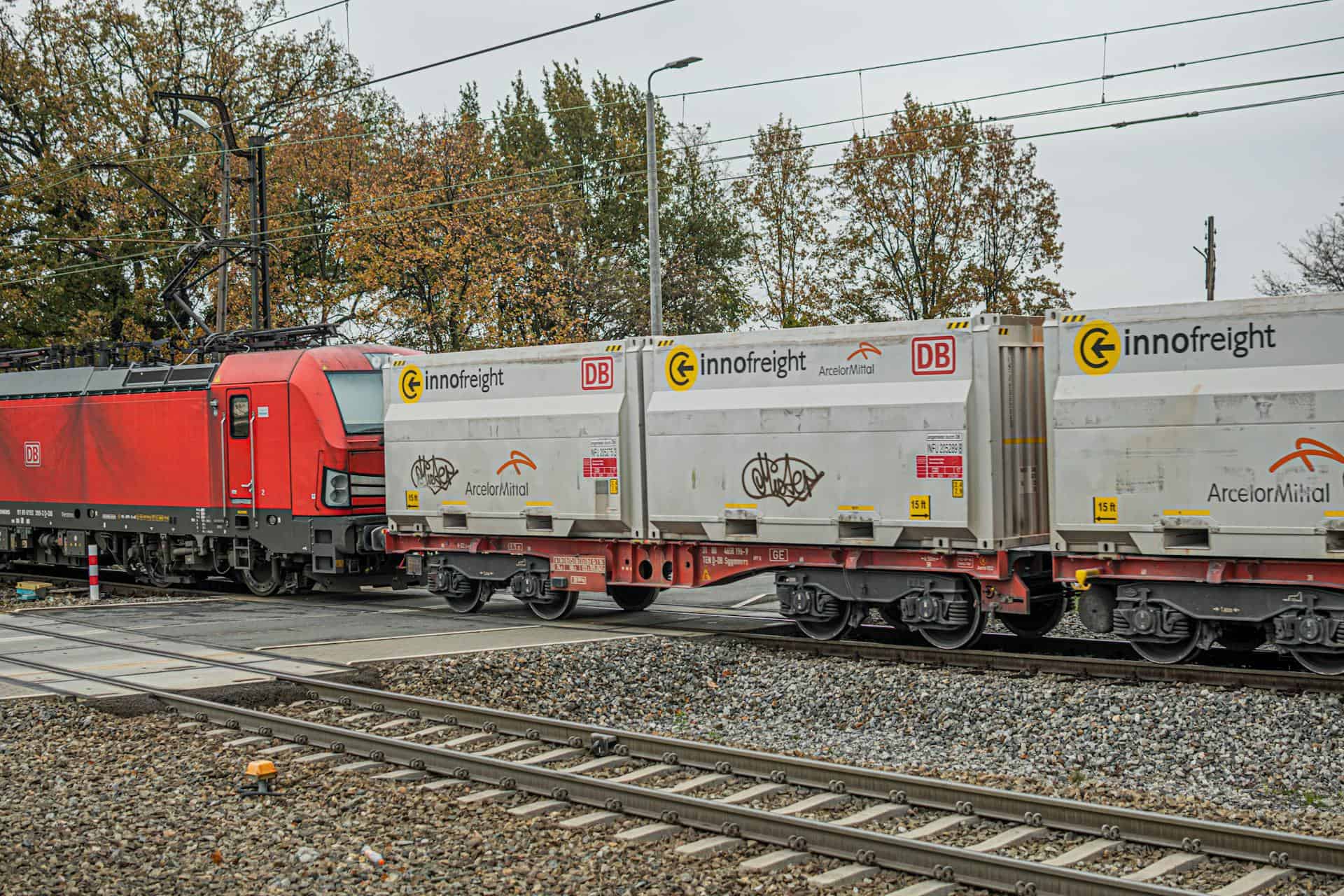
Fast Express DHL, UPS & FedEx, air and sea freight shipping solutions.Express delivery 3–5 business days, air freight 5–10 business days, sea freight 25–35 days, offer customs clearance and full door-to-door service.
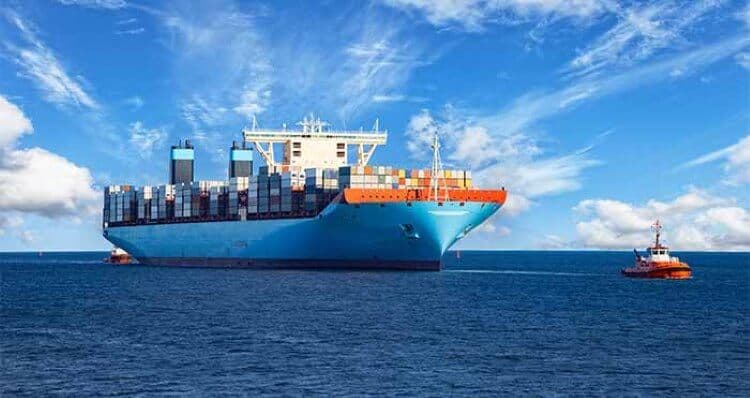
Multiple shipping options including express, air and sea freight.Transit time 3–5 business days by express, 5–10 business days by air, 30–45 days by sea.Customs clearance support and door-to-door delivery are fully covered.
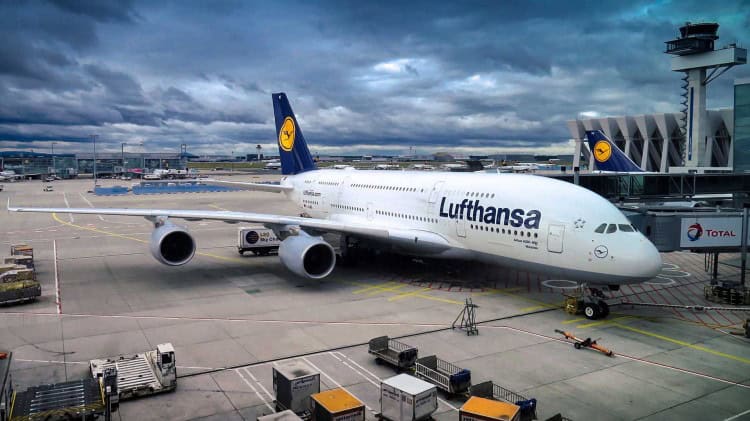
Reliable express, air and sea freight services from China.Express 3–5 working days, air freight 5–10 working days, sea freight 25–35 days.Professional customs clearance and end-to-end door delivery guaranteed.
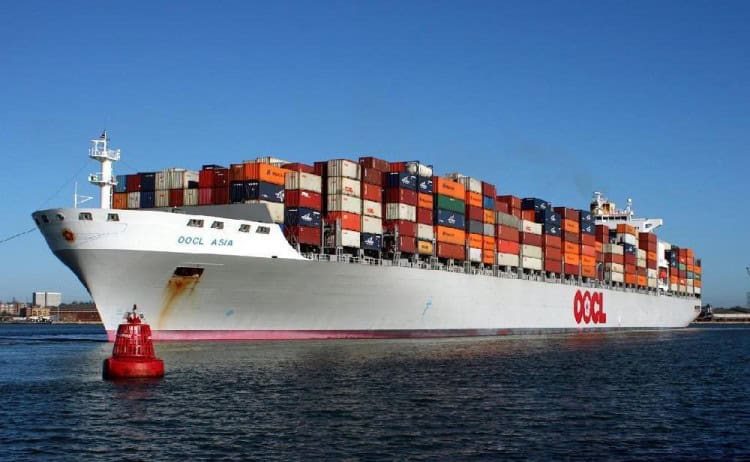
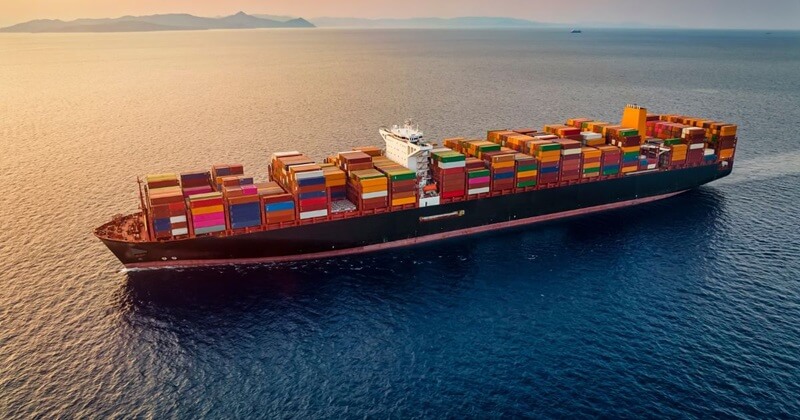
Flexible shipping methods express, air and sea freight. Delivery lead time 3–5 working days for express, 5–10 working days for air, 25–35 days for sea.Inclusive customs clearance service and convenient door-to-door shipping.
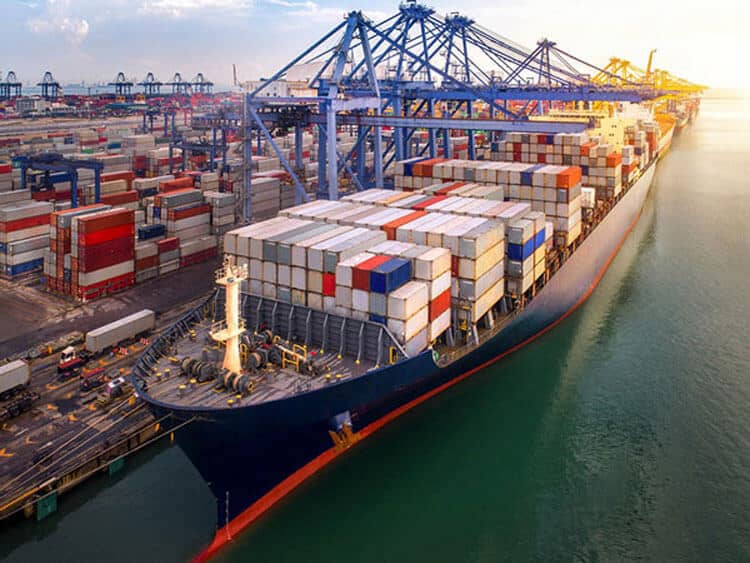
Fast express, air and sea freight for China to Asia shipping.Express takes 2–5 working days, air freight 5–7 working days, sea freight 14–25 days.We handle customs declaration and provide seamless door-to-door delivery.
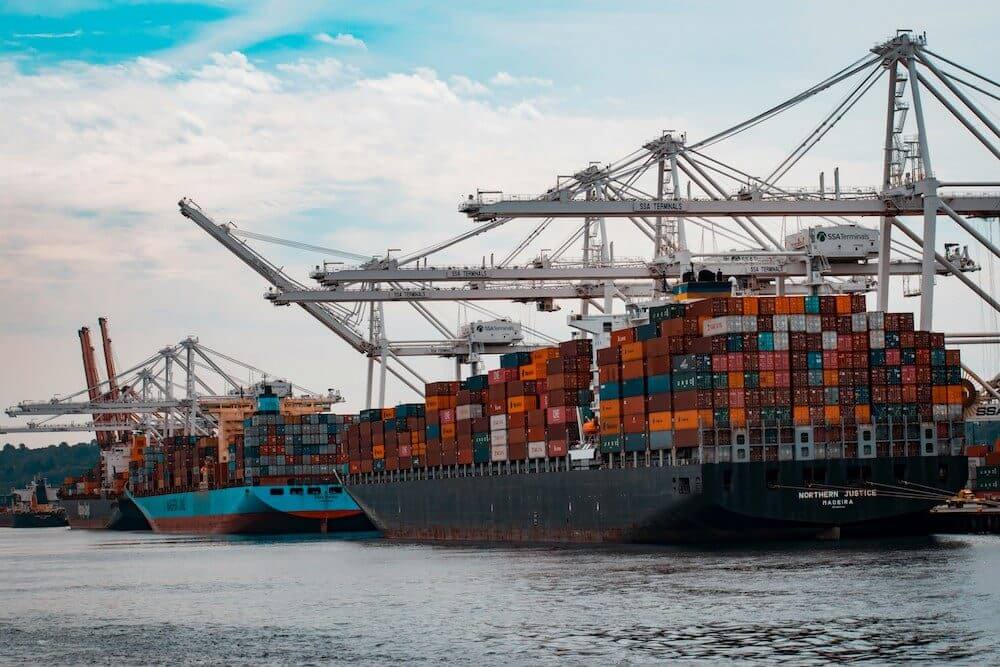
Complete logistics services express, air and sea freight to UAE.Transit period 3–5 working days for Express, 5–10 working days for Air, 30 days for Sea freight.Customs clearance arrangement and door-to-door delivery for all shipments.
Winsky Freight One-stop Shipping Process
PROVIDE ONE-STOP SHIPPING SOLUTIONS
Choose Winsky Freight’s one-stop China freight forwarding service that caters to every of your unique shipping needs. Get additional services like factory pickups, consolidation, warehousing, packaging, customs clearance & duties, trucking, amazon FBA, and more.
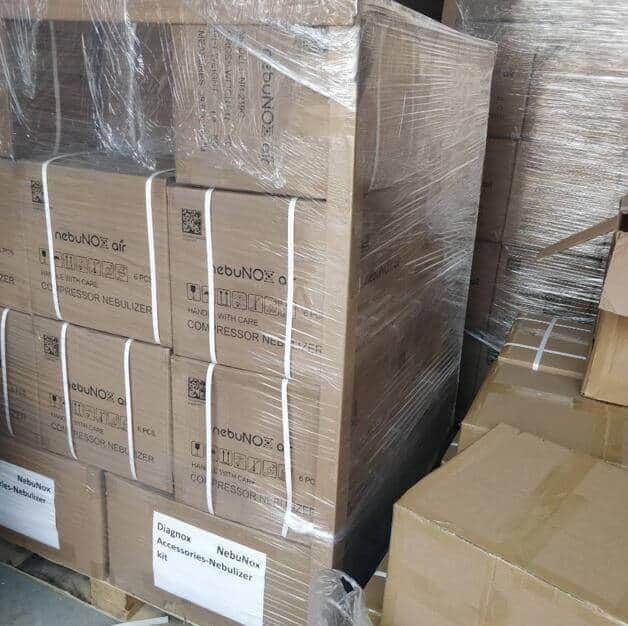
ELECTRONIC PRODUCTS
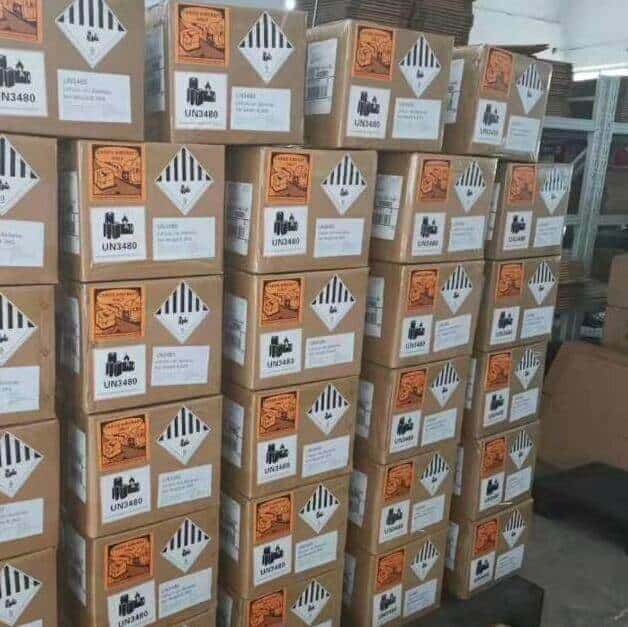
DANGEROUS PRODUCTS
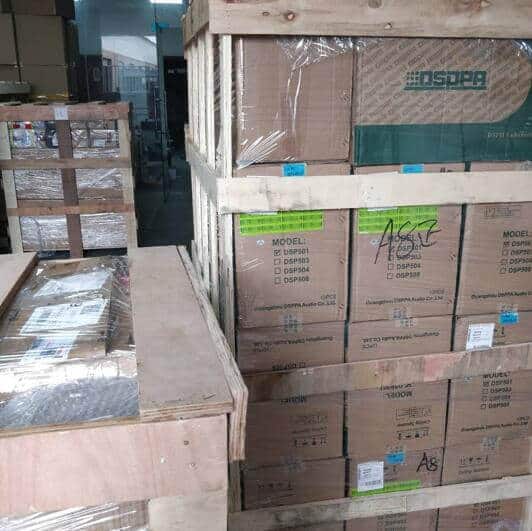
FURNITURE PRODUCTS
Excellent Case
We can help you promote your supply chain and receive goods safely and smoothly

3 pallets shipped from Shenzhen to Amazon USA
Via DDP air freight
Total transit time: 9 days.

15CBM furniture's shipped from Ningbo to Sydney
Via sea freight.
Door-to-door delivery in 35 days.
LCL cargo 5 CBM from Guangzhou to Toronto
Via DDP sea freight.
Total cost optimized 18%
FAQs
The Complete Guide to Shipping from China
Shipping from China is one of the most cost-effective ways to source products all over the world, but many importers still struggle with delays, hidden costs, and customs clearance issues.
At Winsky Freight, we help businesses simplify shipping from China with reliable, door-to-door logistics solutions, including sea freight, air freight and DDP shipping.
In this complete guide, you’ll learn how to ship from China step by step, compare shipping methods, understand costs and avoid common mistakes.
- How to Ship from China Step by Step
- What are the Shipping Options from China?
- Shipping Methods Comparison- Sea Freight vs Air Freight vs Express
- How much does shipping from China cost?
- How long does shipping from China take?
- Customs Clearance when Shipping from China
- What are Shipping Incoterms?
- How does a Freight Forwarder help China Shipping?
- Popular Shipping Routes from China
- Common Problems When Shipping from China & How to Solve them
- Winsky’s Tips for easy Shipping from China
- FAQs
How to Ship from China Step by Step
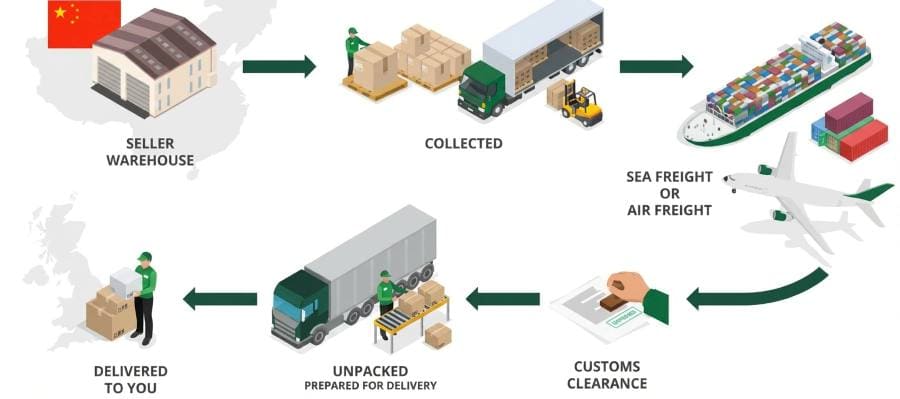
Your China shipping becomes easier when you follow these steps:
Step 1: Know what you are shipping
You must first understand the full details of your goods: product name, quantity, value, carton count, package size, gross weight, and ready date. You also need to check if your goods need special compliance documents, labels, or import permits in your country.
Step 2: Agree on the shipping terms with your supplier
If you decide to ship with your supplier, then you both must agree on an incoterm. Common incoterms you can choose from are EXW, FOB, CIF, and DDP.
Step 3: Book a freight forwarder
Your freight forwarder helps you plan the route, check and load cargo, arrange pickup, prepare documents, and can even manage the full shipping from origin to destination.
Step 4: Choose the right shipping method
The shipping method you use depends on the size and type of your goods, the shipping distance, and your shipping budget.
Step 5: Prepare the shipping documents
The usual documents you need for international shipping are the commercial invoice, packing list, and bill of lading for sea freight, or the air waybill for air freight.
Step 6: Pack and label the cargo correctly
Aside from protecting your cargo from damage during transit, good export packaging also helps you optimize space and save costs.
Step 7: Arrange pickup and export customs in China
You can arrange for the supplier to deliver at the freight forwarder’s warehouse or arrange for pickup from the supplier’s factory. Your goods then go through export customs clearance in China.
Step 8: Book a carrier and ship your goods to the destination country
You or your freight forwarder can book a shipping carrier for your goods. The transit time depends on the shipping method used, the shipping route, and the distance to the destination country.
Step 9: Complete import customs clearance
In the destination country, import customs check your documents, product type, HS code, and calculate the duties you pay.
Step 10: Arrange final delivery
Your goods can finally be delivered to your address once they are released from customs. If you choose a door-to-door service, remember that your freight forwarder will handle the entire process, including last-mile delivery.
What are the Shipping Options from China?
As the world’s largest exporter, China gives you several shipping options to choose from. Your choice would depend on:
- How fast you need the goods
- Size and type of cargo
- Shipping budget
- Final destination of your goods
Here are the major methods you can consider:
Sea Freight from China
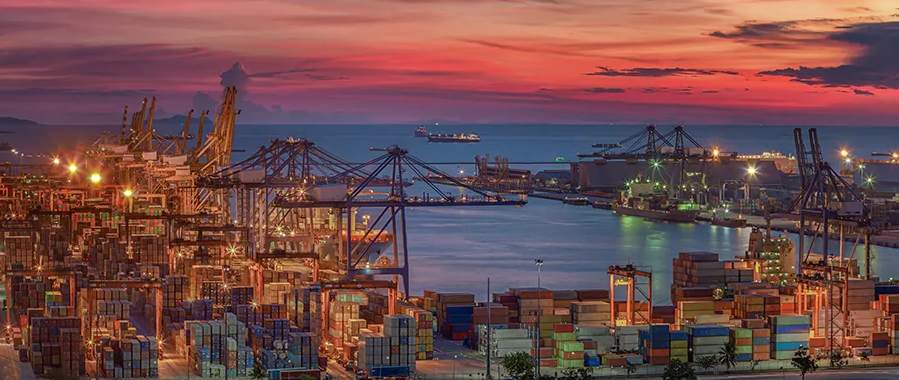
Sea freight is the most cost-effective option to ship from China for shipments over 500kg where delivery time is not urgent. In sea freight, you can either ship a full container (FCL) or share space with others (LCL), depending on your cargo size.
Pros:
- Lowest cost for large shipments
- Good for heavy and bulky goods
- Flexible options (FCL and LCL)
- Suitable for special cargo like batteries, chemicals, liquids, flammable goods, and other dangerous goods
Cons:
- Long transit time
- Possible delays at ports
- Shipping time can change during peak seasons
- Complex customs clearance
Air Freight from China
Air freight from China is a faster option when you need your goods delivered quickly, but it is more expensive. Because it is much faster than sea freight, many businesses use it for urgent restocking, product launches, or valuable goods.
One other thing you should know is that air freight pricing is determined by a term called chargeable weight, not just actual weight. What this means is that bulky cargo can become expensive even if it is not very heavy.
Pros:
- Much faster than sea freight
- Reliable for urgent shipments
- More secure handling of goods
- Suitable for valuable goods
Cons:
- More expensive per kilogram than sea freight
- Limited cargo capacity
- Pricing depends on the chargeable weight
- Not ideal for large shipments
Strict rules on restricted goods (like batteries, liquids, and chemicals)
Express Shipping
Express shipping depends on courier companies like DHL, FedEx, or UPS. It is the fastest and least stressful shipping option because it is a door-to-door service. It is, however, also the most expensive, so it’s best for small, urgent shipments like product samples, dropshipping orders, and small parcels.
Pros:
- fastest delivery option
- Easy to arrange and track
- Door-to-door service convenience
- Customs clearance handled by courier
Cons:
- Most expensive per kilogram
- Not suitable for large shipments
- Less flexibility for special cargo
Amazon FBA shipping
Amazon FBA shipping is used when you are sending goods directly from China to Amazon fulfillment centres/warehouses. It is not a single shipping method; you can use sea freight, air freight, or express shipping, depending on your needs. What makes it different is that your shipment must also meet Amazon’s rules for preparation, labels, box information, and delivery booking.
Pros:
- Direct delivery to Amazon warehouses
- Automated order fulfilment for your business
- Flexible shipping methods (sea, air, express)
Cons:
- Strict Amazon requirements
- Extra preparation and labeling needed
At Winsky Freight, we help importers handle the entire shipping process, from supplier pickup to final delivery, ensuring smooth coordination and cost control. Contact us to book a reliable freight forwarder.
Shipping Methods Comparison- Sea Freight vs Air Freight vs Express
| Factor | Sea Freight | Air Freight | Express Shipping |
|---|---|---|---|
| Transit Time | 20–40+ days | 5–10 days | 3–5 days |
| Cost Level | Lowest | Medium to high | Highest |
| Best For | Large, heavy shipments | Medium, urgent cargo | Small, urgent parcels |
| Cargo Size | Best for > 500 kg | 100 kg – 500 kg | 0.5 kg – 100 kg |
| Speed | Slow | Fast | Very fast |
| Cost Efficiency | Best for bulk | Balanced | Poor for large cargo |
| Reliability | Prone to port delays | Reliable flight schedules | Very reliable |
| Handling | More handling stages | Moderate handling | Minimal handling |
| Customs Clearance | Handled by freight forwarder or customs broker | Handled by freight forwarder or broker | Handled by courier |
How much does shipping from China cost?
China shipping costs depend on:
- Type and size of cargo
- Shipping method used
- Distance to the destination country
- Time of the year
Sea freight becomes more economical when your shipment gets bigger (>500kg), air freight for shipments around 150-500kg, and express for small shipments < 150 kg. To help you budget better, here are the average shipping cost ranges from China to major destinations:
| Destination | Sea Freight (FCL 20’) | Sea Freight (LCL 1 CBM) | Air Freight (per kg) | Express (10 kg) |
|---|---|---|---|---|
| USA (Los Angeles) | $4,000 – $5,500 | $800 – $1,100 | $5 – $8/kg | $300 – $400 |
| Canada (Vancouver) | $3,800 – $5,100 | $650 – $900 | $5 – $8/kg | $300 – $420 |
| Australia (Sydney) | $3,300 – $4,400 | $600 – $850 | $4 – $7/kg | $390 – $520 |
| UK (Southampton) | $1,700 – $3,600 | $50 – $80/CBM | $7 – $8/kg | $200 – $300 |
| Netherlands (Rotterdam) | $2,500 – $3,500 | $60 – $90/CBM | $5 – $7/kg | $250 – $350 |
| South Africa (Durban) | $2,800 – $4,200 | $70 – $110/CBM | $6 – $9/kg | $350 – $500 |
| Germany (Hamburg) | $2,500 – $3,800 | $60 – $90/CBM | $5 – $7/kg | $250 – $350 |
Note: The shipping prices shown above are not the full landed cost. Your final cost can still go up because of customs duties, taxes, customs clearance, insurance, storage, etc. Also, remember that peak season shipping, port congestion, weather conditions, and global supply and demand cause shipping prices to fluctuate often. Please always ask for a quote before you ship.
How long does shipping from China take?
Again, China shipping time depends mainly on the shipping method and destination. Factors like customs clearance, port congestion, bad weather, and peak seasons can extend your shipping time.
Generally,
- Express shipping takes 3-5 days
- Air Freight takes 5-10 days
- Sea Freight takes 20-40+ days
| Destination | Sea Freight | Air Freight | Express |
|---|---|---|---|
| USA (West Coast) | 20 – 25 days | 5 – 8 days | 3 – 5 days |
| USA (East Coast) | 30 – 35 days | 5 – 10 days | 3 – 5 days |
| UK / Europe | 25 – 40 days | 5 – 10 days | 3 – 5 days |
| Australia | 15 – 25 days | 5 – 10 days | 3 – 5 days |
| Africa (e.g., Nigeria) | 35 – 45 days | 6 – 10 days | 4 – 7 days |
Customs Clearance when Shipping from China
Many importers think customs clearance is the hardest part of global shipping, but it’s not if you have a good freight forwarder and understand the basics. Your goods go through two customs stages: export customs clearance in China and import customs clearance in your destination country.
During clearance, customs authorities review your documents, confirm the value of your goods, calculate duties using HS codes, and check if your products meet local rules and safety standards.
If everything is correct, your goods move forward without issues. But if there are mistakes like missing documents, your shipment can be delayed, inspected, or even held by customs. In most cases, your freight forwarder or customs broker will handle the process for you. However, you are still responsible for providing accurate information about your goods.
Required Documents for Shipping from China
- Commercial Invoice
- Packing List
- Bill of Lading (B/L) or Air Waybill (AWB)
- Certificate of Origin
- Import License or Permits (if required)
- Export Declaration (China Customs)
- MSDS (for batteries, chemicals, or dangerous goods)
- Insurance Certificate (if applicable)
- Inspection or Compliance Certificates (if required)
How do I calculate Import Duties and Taxes?
Most countries charge import duties and taxes before customs releases your shipment. It is based on the type of product you are importing and is calculated using the HS code and the customs value of your goods. The customs value is based on the CIF (Cost, Insurance, Freight) value of your goods.
In addition to import duty, many countries also charge VAT or GST. This is calculated based on the total value of the goods, including shipping and duties e.g., the UK charges around 20% VAT, while Australia charges 10% GST, along with other duties.
You can read our full guide on calculating import tax and duties to better understand your cost.
What are Shipping Incoterms?
Shipping Incoterms define shipping responsibilities between buyers and sellers in international trade. It explains who is responsible for shipping and delivery and where the risks shift from seller to buyer.
Major Incoterms you should know
- EXW (Ex Works) – You handle the whole shipping from the supplier’s location
- FOB (Free on Board) – Supplier handles export, and you take over once the goods are aboard the shipping carrier.
- CIF (Cost, Insurance, Freight) – Supplier pays shipping to your destination port
- DDP (Delivered Duty Paid) – The supplier handles the entire shipping process, including duties.
Check out our detailed guide for a full breakdown of all Incoterms and how they work.
How does a Freight Forwarder help China Shipping?
We always recommend using a freight forwarder because they make your China shipping simple and easy. Freight forwarders are logistics partners that work with you to organize and manage your shipping from start to finish.
Instead of working with different parties, a freight forwarder can:
- Help you choose the best shipping method and route based on your budget and deadline.
- Get you cargo space even in peak seasons.
- Get you affordable insurance premiums and handle all insurance claims.
- Prepare and check all shipping and customs documents to prevent errors.
- Have customs brokers in every country for quick customs clearance.
- Can arrange pickup from the supplier, consolidation and deconsolidation, and even last mile delivery to your address.
- Track your shipment by giving you regular shipping updates.
- Reduces shipping costs by a good margin.
Not sure which shipping method is right? Our experts will recommend the best option based on your cargo, budget and timeline.
Popular Shipping Routes from China
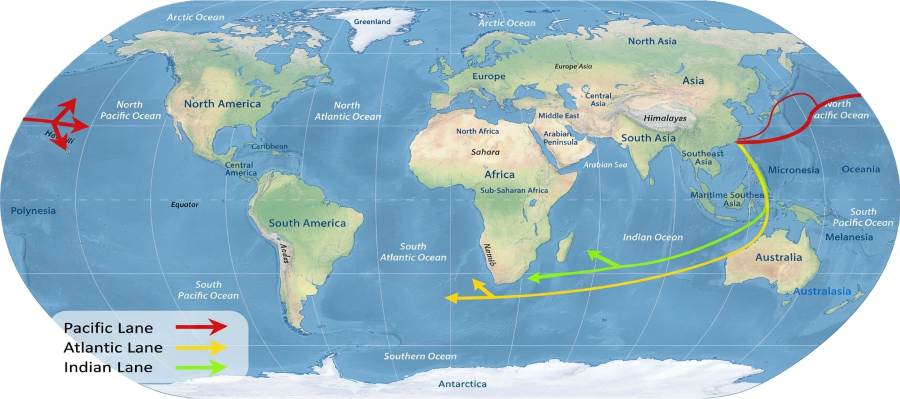
You can ship from China to every major market in the world, but some routes are used more often than others for convenience and safety of transit.
Major Ports and Airports in China for Cargo Shipping
From these common origin points, cargo usually moves along major trade routes to the United States, Europe, the UK, Canada, Australia, the Middle East, and Africa.
| Type | Name | Description |
|---|---|---|
| Seaports | ||
| Shanghai Port | Largest port in the world, major global hub | |
| Ningbo-Zhoushan Port | Ships high cargo volume and close to manufacturing zones | |
| Shenzhen Port | Key port for electronics and South China exports | |
| Guangzhou Port | Important for southern trade routes | |
| Qingdao Port | Major northern China export port | |
| Tianjin Port | Main port serving the Beijing region | |
| Xiamen Port | Strong for Southeast Asia trade | |
| Airports | ||
| Shanghai Pudong International Airport (PVG) | China’s busiest air cargo hub | |
| Guangzhou Baiyun International Airport (CAN) | Major hub for South China air freight | |
| Shenzhen Bao’an International Airport (SZX) | Strong for electronics and express cargo | |
| Beijing Capital International Airport (PEK) | Key hub for northern China | |
| Hong Kong International Airport (HKG) | One of the world’s top cargo airports | |
| Zhengzhou Xinzheng International Airport (CGO) | Important for e-commerce shipments | |
| Hangzhou Xiaoshan International Airport (HGH) | Growing cross-border e-commerce hub |
The most popular shipping routes from China are the ones that connect China’s biggest ports to the world’s biggest buying markets. Always remember that the route you choose affects cost and transit time, so always ask your freight forwarder before you book.
- China to the United States is one of the busiest routes for goods leaving China. Shipments to the USA go through either the West Coast or the East Coast. West Coast routes are faster, while East Coast routes take longer because of the extra distance. Popular ports in the US that you can ship to are Los Angeles, Long Beach, Seattle, Oakland, and New York.
- China to Europe is a major shipping corridor with destinations in Rotterdam, Hamburg, Antwerp, and other North European ports. The shipping route runs through the South China Sea, Malacca Strait, Indian Ocean, and Suez Canal before reaching Europe. If you do not want to ship by sea, rail freight from China to Europe is an excellent alternative.
- China to the United Kingdom shipping mostly arrives in Felixstowe, Southampton, and London, while air cargo often moves to London, Birmingham, and Manchester.
- China to Canada shipping mostly arrives in Vancouver, with onward delivery across Canada.
- China to Australia shipping is very popular for importers shipping to Sydney, Melbourne, Brisbane, and Perth. Our China to Australia shipping guide teaches you everything you need to know about this important shipping route.
- China to the Middle East shipping corridor is important for trade into markets in Dubai, Jebel Ali, Dammam, and other Gulf hubs. Many importers use this route because Gulf ports work as both final destinations and redistribution hubs for the wider region.
- China to Africa shipping mostly arrives at ports such as Durban, Cape Town, Mombasa, Lagos, and Tema, depending on the final market.
- China to Southeast Asia shipping is a shorter regional route that serves countries like the Philippines, Indonesia, Thailand, etc.
Common Problems When Shipping from China & How to Solve them
Here are the common problems importers face when shipping from China:
- Incorrect or missing documents that can delay shipments at customs or lead to fines.
Solution: Double-check all documents with your freight forwarder before shipping and make sure your commercial invoice, packing list, and HS codes match your goods.
- Shipping delays due to port congestion, bad weather, or peak seasons like Chinese New Year.
Solution: Book space for your shipments early and follow our guide to navigating peak season shipping.
- Not budgeting unexpected costs like customs duties, storage fees, or port charges.
Solution: Ask for a full cost breakdown before shipping. Understand your Incoterms clearly so you know what you are paying for, and always ask for a full breakdown before shipping.
- Poor or incorrect packaging can lead to damaged goods during transit and even make you pay more for booking a space.
Solution: Make sure your supplier uses strong export packaging. Request extra protection for fragile or valuable goods, such as pallets, bubble wrap, or wooden crates.
- Customs clearance problems due to incorrect declarations, missing permits, or shipping restricted items.
Solution: Confirm with your freight forwarder to ensure your product details, value, and HS codes are accurate. Always research ahead to know if your goods need special permits before shipping.
- Choosing the wrong shipping method which leads to unnecessary costs and delays.
Solution: A freight forwarder will always recommend the best shipping method and routes for your needs, so always rely on them when shipping.
- Supplier miscommunication that leads to wrong product specifications, missing items, or manufacturing not meeting with shipping deadlines.
Solution: Have a written agreement with your suppliers, and request pictures and inspections before shipping.
- Lack of shipment tracking
Solution: Work with a freight forwarder that provides regular updates and tracking.
Start shipping from China with confidence. Contact Winsky freight today for a customised logistics solution!
Winsky’s Tips for Easy Shipping from China
Here are our top tips to help you get your China shipping right:
- Work with a reliable freight forwarder
- Choose the right shipping method early
- Consolidate shipments when possible
- Understand your Incoterms
- Prepare accurate documents
- Plan for shipping delays and peak seasons
- Optimize packaging
- Get a full cost breakdown from your supplier or forwarder
- Confirm packaging and labeling before shipping
- Communicate clearly with your supplier
Conclusion
So, that’s everything you need to understand about shipping from China. When you understand these basics, choose the right method, and work with a reliable freight forwarder, you can save costs and move your goods smoothly from your China supplier to any destination in the world.
If shipping from China still feels overwhelming for you, reach out to Winsky Freight for expert guidance. You’ll hear from us in 24 hours!
FAQs
What is the cheapest way to ship from China?
Sea freight is the cheapest option per kg for large or heavy shipments, but air and express freight may become cheaper for smaller shipments. If your cargo is too small to fill a container, sea freight LCL shipping is a less expensive alternative.
Can I ship from China to Amazon FBA?
Yes, you can ship directly to Amazon FBA warehouses in any country through sea, air, or express shipping. You must remember to follow Amazon’s packaging, labeling, and delivery rules.
Can I ship from an Alibaba Supplier?
Yes, most Alibaba suppliers can ship your goods directly for you. You can either use their shipping option or arrange your own freight forwarder for better control, pricing, and reliability.
Should I use a freight forwarder when shipping from China?
Yes, a freight forwarder helps manage shipping, documents, and customs. This reduces mistakes, saves time, and makes the process much easier, especially if you are new to importing.
Do I need a license to import from China?
While most products don’t require a special license, in some cases you’ll need permits or certifications.
When is the best time to ship from China?
You can ship anytime from China, but try to avoid peak seasons like the Chinese New Year and major holidays.
How do I track my shipment from China?
You can track your shipment using a tracking number provided by your freight forwarder or courier. You can also use third-party tracking websites like 17track.