Sea Freight from China to Australia: Cost, Time, Process & Tips
Editor-User
October 13, 2026
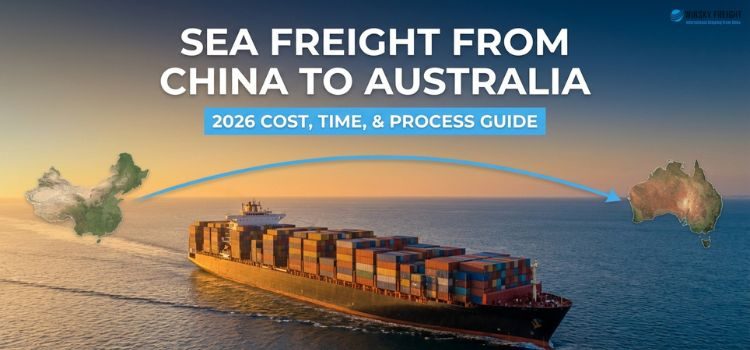
Shipping goods via sea freight from China to Australia is the most cost-effective way to import.
However, surprising charges and strict biosecurity rules (DAFF) at the destination can catch you off guard.
Without local expertise and guided planning, you risk costly delays and surprising bills that soon eat into your sales, margins.
This importer’s guide cuts through all confusion. You get a practical breakdown of China to Australia: shipping options, transit times, real costs, and customs requirements to avoid common mistakes and master a seamless import experience.
Table of Contents
| Sections | Key Findings |
|---|---|
| 1. Sea Freight Fundamentals | The most cost-effective method for 2026, though high Australian port fees can eat into margins if not pre-calculated. |
| 2. FCL vs. LCL Comparison | Choose FCL for shipments over 15 CBM to reduce handling risks; use LCL for smaller trials (1–15 CBM) to save on upfront costs. |
| 3. Major Ports & Strategic Benefits | Shipping from Shenzhen to Sydney/Brisbane is the fastest tech route (15–22 days). Melbourne importers should watch for rail project completions in March 2026. |
| 4. Transit Time Benchmarks | Port-to-port is 15–32 days, but you must add 5–7 days for “the Australian tail” (customs and last-mile delivery). |
| 5. The Cost Breakdown | Beyond ocean freight, importers face high Australian PSC (Port Service Charges) and a 10% GST on the total CIF value. |
| 6. Step-by-Step Import Process | From China factory pickup to the vital ABF/DAFF clearance step, a 7-stage process ensures “Door-to-Door” success. |
| 7. Customs & Biosecurity (DAFF) | China is an “Emerging Risk” for Stink Bugs (BMSB). Untreated wood packaging (ISPM 15) is the #1 cause of cargo destruction. |
| 8. Common Risks & Pitfalls | Weather in the South China Sea and Australian labor strikes are the primary drivers of 2026 schedule volatility. |
| 9. Cost-Saving Strategies | Avoid CIF where suppliers control the agent; use FOB and buyer’s consolidation to keep local Australian fees transparent. |
- What Is Sea Freight from China to Australia?
- FCL vs LCL Sea Freight from China to Australia
- Main Shipping Ports in China and Australia
- Sea Freight Transit Time From China To Australia
- Sea Freight Cost From China To Australia Breakdown
- Step-By-Step Sea Freight Process (Door To Door)
- Customs Clearance & Import Regulations In Australia
- Common Risks When Shipping To Australia By Sea
- How To Reduce Sea Freight Cost From China To Australia
- FAQ
What Is Sea Freight from China to Australia?
Sea freight from China to Australia is the most economical method for transporting bulk goods via container vessels.
You can import from major Chinese ports to the Australian port with scalable FCL and LCL shipping options.
It’s widely preferred for cost-sensitive and large-volume supply chains such as e-commerce products and heavy machinery inventory.
Why this guide is important for Australian importers:
“At Winsky Freight, we handle 300+ sea freight shipments from China to Australia every month. The most common pitfalls we see are:
First-time importers often get hit by unexpected charges and biosecurity holds. That’s why we created this guide to help you navigate the process safely.”
FCL vs LCL Sea Freight from China to Australia
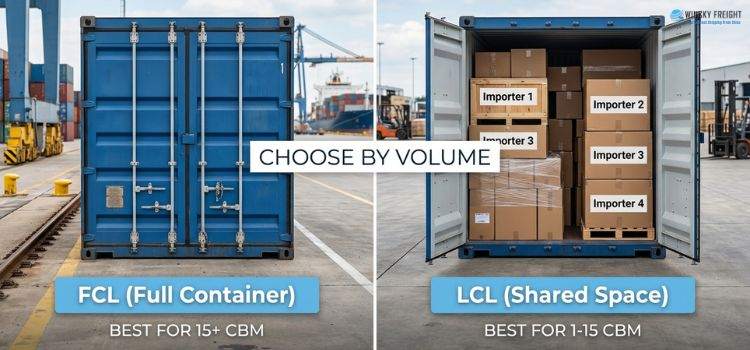
When booking your shipment from China to Australia, the first decision is volume.
You’ve to decide whether you need a whole container (FCL) or just a shared space (LCL)?
That choice determines your shipping cost, damage risk, and transit speed. Therefore, for small businesses, LCL vs FCL shipping is a vital calculation. Find what makes each a better alternative.
FCL vs LCL Sea Freight From China To Australia (Comparison Table)
| Feature | FCL (Full Container Load) | LCL (Less than Container Load) |
|---|---|---|
| Best For | High volume (15+ CBM) or fragile goods. | Small volume (1–15 CBM) or trial orders. |
| Cost Structure | Flat rate per container. Economical for bulk. | Charged per CBM. High destination fees in Australia. |
| Transit Time | Faster (No consolidation/deconsolidation). | Slower (Waiting time to fill/empty container). |
| Risk of Damage | Low (Goods aren’t handled until arrival). | Higher (Handled multiple times at origin and destination countries). |
| Customs Process | One entry per container. | Shared entry process; one delay affects all. |
Important Checks: If your shipment size is 13 to 15 CBM, the math gets tricky. The destination charges for LCL in Australia sometimes make this method more expensive than simply booking a 20ft container or FCL.
If you’re stuck in this “gray volume zone,” let us run a quick comparison quote for you to find out which shipping method saves you more money.
Main Shipping Ports in China and Australia
Your choice of ports for the shipping from China to Australia is another vital decision as well. It affects the transit time, inland tracking costs, and overall freight frequency.
Chinese shipping ports are industry-specific. However, Australian ports are somewhat like regional hubs.
- Major Chinese Ports: Shanghai, Ningbo, Shenzhen (Yantian/Shekou), Qingdao, Guangzhou (Nansha).
- Major Australian Ports: Sydney, Melbourne, Brisbane, Fremantle, Adelaide.
Check out the breakdown below to learn more about the major Chinese ports by industry specialization and their connection to Australian ports.
| Origin Port | Destination Port | Est. Transit Time | Strategic Benefit (Cost & Speed) |
|---|---|---|---|
| Shenzhen (Electronics, Tech, High-Value Goods) | Sydney / Brisbane | 15-22 Days | Fastest Route: Best for time-sensitive electronics. Trucking cost is cheaper for Pearl River Delta suppliers compared to trucking north. |
| Ningbo (Heavy Industry, Plastics, Moldings) | Melbourne / Sydney | 20-28 Days | Cost-Effective: Offer a comparatively lower port handling fees than Shanghai. Choose for heavy LCL/FCL cargo when cost is your primary focus and speed is secondary. |
| Shanghai (General Cargo, Textiles, Fashion) | All Major Ports | 18-25 Days | High Frequency: Features the highest number of weekly sailings. Congestion risks are reduced by the new Yangshan Automated Terminal. |
| Qingdao (Machinery, Tires, Large Equipment) | Melbourne / Brisbane | 25-32 Days | Regional Hub: Most preferred by Northern Chinese suppliers. The sea transit is longer, but it saves huge inland trucking costs, unlike the south. |
| Guangzhou (Apparel, Automobile Parts) | Sydney / Melbourne | 16-23 Days | Logistics Hub: Nansha Port offers rapid customs clearance and cheap rates for the textile and automotive industries. |
Australian Hubs:
- Sydney (Port Botany): It’s the primary hub for NSW and goods to distribute across the East Coast.
- Melbourne: That’s the key entry point for Victoria. (The ongoing Port Rail Transformation project (2025-2027) may clash with container access periods.
- Brisbane: It ensures faster shipping access from Southern China (Shenzhen) because of the geographical advantages; ideal for Queensland distribution.
Tip: It’s always wise to ship to the closest port to your warehouse. The cost of local trucking in Australia is notoriously high (often exceeding the sea freight cost itself). For example, trucking a container from Melbourne to Sydney.
If you’re unsure to choose the closest to your factory, ask us to map the most cost-effective route.
Sea Freight Transit Time From China To Australia
Ocean route or sea freight is slower than air freight, though the transit times from China to Australia are relatively shorter than those to Europe or the USA.
Sea freight transit time depends on your Chinese port, the Australian destination port, and the vessel schedule.
Below are the “Port-to-Port” transit times. However, consider adding another 5-7 days for customs clearance and final delivery.
Port to Port Transit Time Chart
| Route (Origin to Destination) | Typical Transit Time |
|---|---|
| Shanghai to Sydney | 18–25 days |
| Ningbo to Melbourne | 20–28 days |
| Shenzhen to Brisbane | 15–22 days |
| Qingdao to Melbourne | 25–32 days |
Sea Freight Cost From China To Australia Breakdown
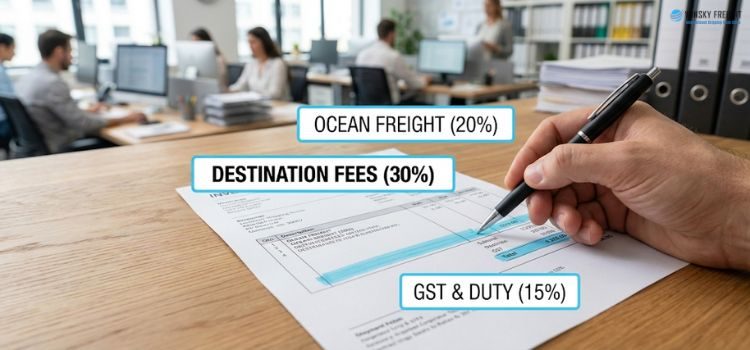
Always remember that a “cheap” quote often hides unexpected fees that appear at the destination. So, to accurately calculate your chargeable weight and total cost, you should measure these four:
Origin Charges (China)
Consider adding delivery charges from the Chinese factory to the port, export documentation, and terminal unloading fees.
If you choose FOB (Free on Board) terms, your Chinese suppliers have to pay these fees. And if you choose EXW (Ex Works), you’ve to pay them.
Ocean Freight
It’s the cost of shipping from China to Australia (port to port). The sea freight charge fluctuates every month due to fuel price hikes and demand.
Destination Charges (Australia)
Australian ports have some of the highest destination fees globally.
Your shipment has to go through deconsolidation fees (for LCL), Port Service Charges (PSC), and terminal handling fees.
Duties and GST
These are the charges imposed by the Australian government for importing goods.
Import Duty: Usually 0%-5%, depending on the product and if you use the ChAFTA (China-Australia Free Trade Agreement).
GST: 10% on the total value (CIF Value + Duty + Transport).
Import Processing Charge (IPC): A fixed fee charged by the Australian government, ranging from $50-$190 for commercial goods.
Check Budget: You can request a DDP (Delivery Duty Paid) estimation quote if you’re worried that hidden destination charges would eat into your profit. This way, you can accurately identify the final landed costs before the shipment even leaves China.
Step-By-Step Sea Freight Process (Door To Door)
With a clear roadmap, it becomes much easier to navigate the sea shipment process. Here is how it works with a professional forwarder like Winsky Freight:
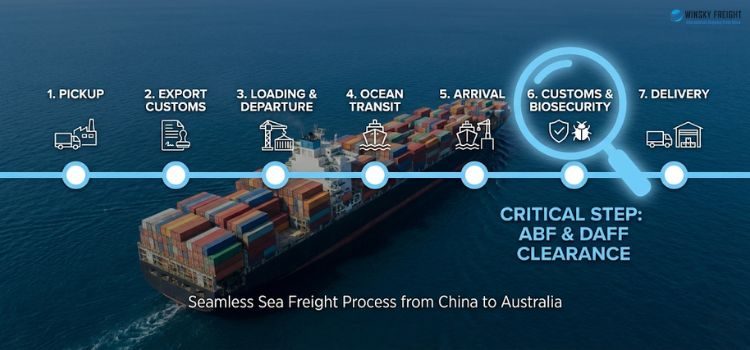
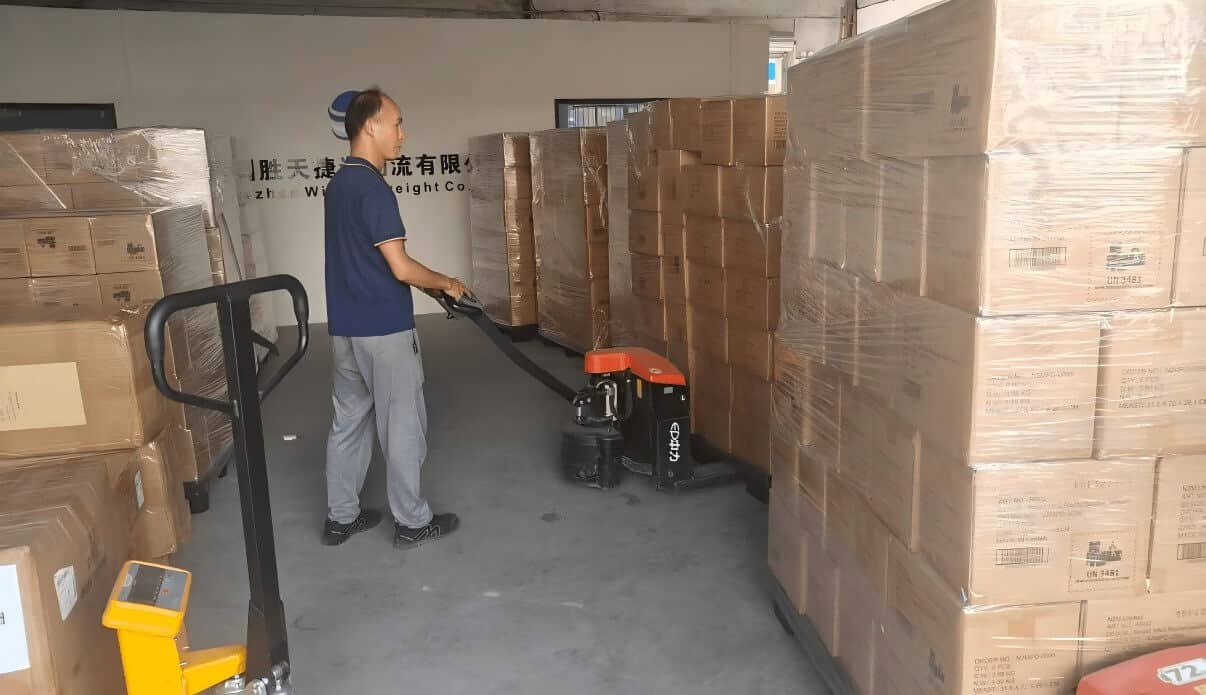
- Cargo pickup in China: We’ll collect your goods from your supplier’s factory.
- Export customs clearance: Declarations are filed with Chinese customs to release the goods for exporting to Australia.
- Container loading and vessel departure: Your goods are loaded (consolidated if LCL), and the vessel sets sail.
- Ocean transit: The products are at sea, destined for the Australian port. You get a Bill of Lading at this stage.
- Arrival at Australian port: The vessel docks at Sydney, Melbourne, or Brisbane. We set this before, depending on your product types and delivery location.
- Customs and biosecurity clearance: This is the most critical step for Australia. The ABF checks paperwork, and DAFF checks for biosecurity risks.
- Final delivery to your location: Upon getting clearance, the container is hauled to your warehouse or our depot.
Customs Clearance & Import Regulations In Australia
Unlike other first-world countries, Australia’s border control is unique. All your imported goods from China go through a strong Biosecurity (DAFF) clearance process.
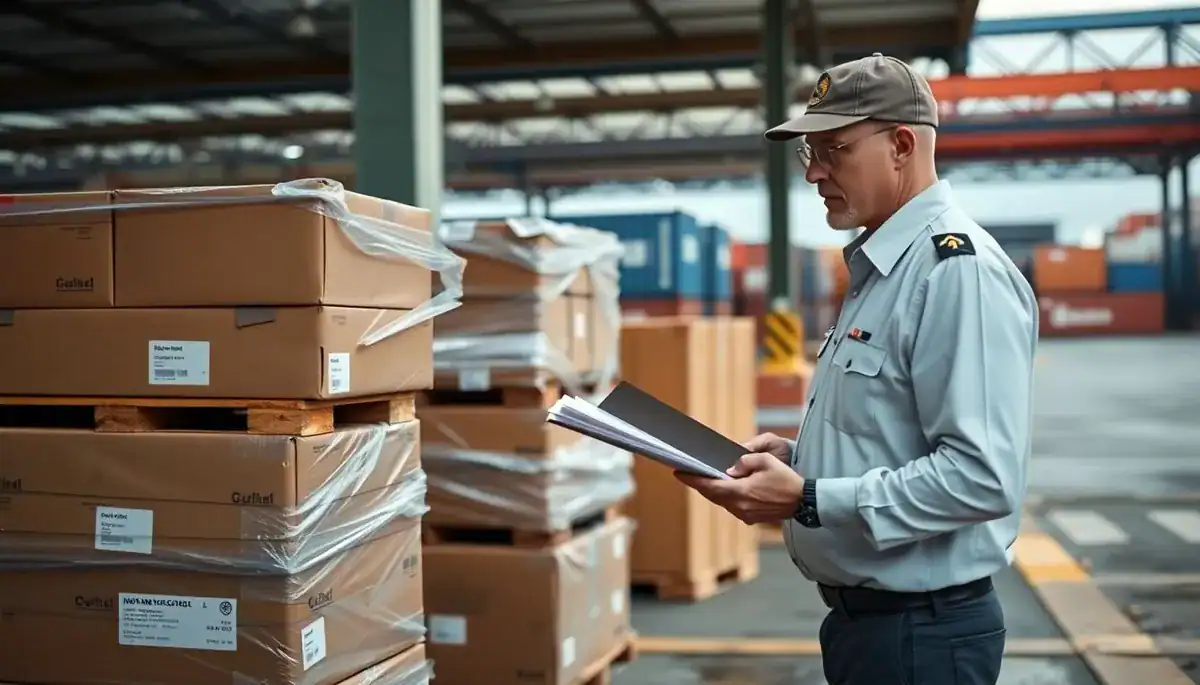
ISPM 15 (Wood Packaging)
This is the #1 risk for Chinese imports. To import goods like wooden pallets, crates, or dunnage, they should be heat-treated or ISPM 15-labeled. Otherwise, your products will be destroyed upon inspection.
BMSB (Brown Marmorated Stink Bug)
China is listed as an “Emerging Risk Country”. Hence, before shipping anything concerning, check the latest DAFF alerts to avoid random inspections.
Packing Declarations
You’ve to get ready with a valid packing declaration, such asan FCL Packing Declaration. State if there are any organic ingredients used in packaging (like straw, bamboo).
ChAFTA Benefits
Ensure your Chinese suppliers or factory gives you a valid Certificate of Origin to reduce costs.
With this doc, you can reduce the import duty from 5% to 0% under the China-Australia Free Trade Agreement.
For detailed guidance on required paperwork, go through the customs clearance documents.
Compliance Alert!
You’re at a high risk for biosecurity holds in case your cargo includes any wood packaging, even small pallets!
To find whether your supplier’s packaging is compliant or not, send us a photo before the cargo is loaded. We can help you verify the ISPM 15 markings.
Common Risks When Shipping To Australia By Sea
Many first-timers experience challenges importing goods using sea freight from China to Australia. Here are the most common pitfalls:
- Biosecurity Holds: Using packaging made with untreated woods, straw, or bamboo, since it’s an instant red flag for DAFF.
- Shipping Delay: Harsh weather events in the South China Sea and port labor strikes in Melbourne can add days to weeks of delay.
- Additional Costs: There are extra charges applies to your shipment if all required documents aren’t ready, such as Demurrage and Detention fees (storage costs), can run hundreds of dollars a day.
- Customs Failed: If there’s any prohibited item in the shipment, Customs will destroy all of them, and the cost of destruction falls on you.
How A Professional Freight Forwarder Reduces These Risks?
A specialized forwarder like Winsky Freight acts as your safety net. To mitigate these issues,
Firstly, we review your Certificate of Origin before the ship leaves China to ensure duty savings.
We green-check all compliance, ensuring your packaging meets ISPM 15 standards to avoid DAFF hold-ups.
Following the freight consolidation approach, we ensure you don’t have to pay for empty space or unnecessary LCL fees.
How To Reduce Sea Freight Cost From China To Australia
We know your margins are tight. Here is how to keep your shipping bills low:
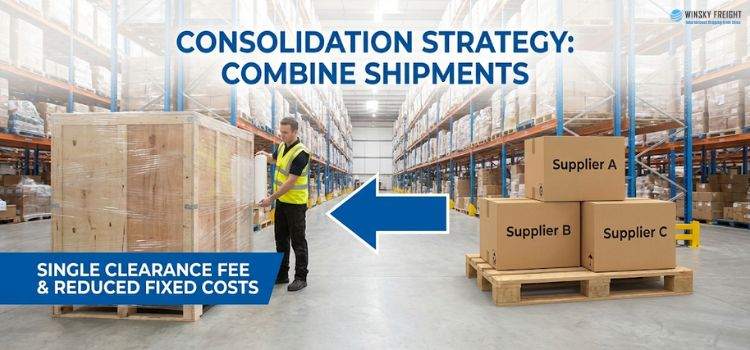
Tip 1: Consolidate Shipments
If you buy from the Yiwu wholesale market or multiple factories or suppliers, it’s wise to combine them into a single shipment. This way, you pay for one clearance fee, which is cheaper than five.
Tip 2: Choose the Right Incoterms
If possible, try to avoid CIF. Yes, it looks cheap, but you don’t want to allow your supplier to control the shipping agent. This often leads to inflated destination fees.
FOB is usually safer for Australian importers. Before deciding on this, check the difference between CIF and FOB.
Tip 3: Optimize Packaging
Sea freight is cheaper compared to Air because it’s a volume-based shipping method. Reduce your product packaging size to save CBM fees. Ask your suppliers.
Tip 4: Book in Advance
Spot rates rise as departure dates approach. Booking 2 weeks early secures your much better rates.
Summary
Shipping from China to Australia offers immense opportunities for small business owners. You can succeed if you respect and comply with local regulations.
From choosing between FCL vs LCL to navigating strict Biosecurity rules (DAFF) – every decision impacts your bottom line.
Get a grip on the transit times (15–32 days). Always have the full cost breakdown, including those tricky destination charges.
Beyond them all, choose the right freight forwarder partner that tackles all these stresses on your behalf.
Winsky Freight manages all hassle of sea freight from China to Australia. Whether you need DDP shipping from China to your door or consolidation services, our team ensures your goods arrive cleared on your budget.
Frequently Asked Questions
1. What Are The Common Cargo Types Shipped By Sea From China To Australia?
The most common cargo type includes furniture, electronics, construction materials, textiles, and automotive parts. We’ve also seen heavy machineries are frequently imported.
2. How Long Does Sea Freight From China To Australia Take?
Port-to-port transit usually takes around 15 to 25 days if shipping to the East Coast (Sydney/Brisbane/Melbourne). For other routes, expect a slightly longer time.
3. Do I Need An Australian Importer License?
You don’t need an “import license” for general goods. However, you must be registered for GST if your turnover exceeds a certain threshold (AUD $75,000 in annual turnover, goods valued at $1,000 or less). You also require a Customs Client ID (CCID) to get clearance.
4. Will My Cargo Be Inspected By Australian Customs?
The Department of Agriculture (DAFF) conducts both targeted and random inspections for cargo, especially for LCL (woods, plants) flagged for biosecurity risks.
5. What Documents Are Required For Sea Freight From China To Australia?
You need a Commercial Invoice, Bill of Lading, Packing List, Packing Declaration (compulsory for Australia), and a Certificate of Origin (to get ChAFTA duty benefits).
6. Can I Ship From Multiple Suppliers In China To Australia?
Yes. It’s called Buyer’s Consolidation. Your freight forwarder can collect products from various factories or suppliers. Then combine them into one container, and ship them as a single entry. It allows you to save significant shipping and clearance charges.