
Nvocc Vs Freight Forwarder | What Are The Differences?
If you’re new to global shipping, the terms NVOCC and freight forwarder can sound almost interchangeable. But they’re not.
Each plays a different role in the supply chain. Both help move cargo from one country to another, yet they operate differently. And what they’re responsible for varies quite a bit.
Understanding the difference isn’t just helpful. It can save you money, prevent shipping delays, and make importing easier.
Here we will explain what each one does and how to decide which service fits your needs.
- NVOCC vs Freight Forwarder: Two roles that seem similar but work differently
- NVOCC vs Freight Forwarder: The first difference is in how they handle carrier documents
- Who takes responsibility when things go wrong
- What about Customs Clearance?
- NVOCC vs Freight Forwarder: The pricing structures are not the same
- NVOCC VS Freight Forwarder – Which One Should You Choose?
- Some logistics companies offer both under one name
- Frequently Asked Questions
- Winsky Freight helps you choose what actually fits your shipment
1. NVOCC vs Freight Forwarder: Two Roles That Seem Similar but Work Differently
Importing goods is full of moving parts, and these two names, NVOCC and freight forwarder, often confuse people. They both help get your shipment from Point A to Point B. But they’re not doing the same job.
Here’s a quick side-by-side:
| Feature | Freight Forwarder | NVOCC |
|---|---|---|
| Role | Arranges shipments | Acts as a carrier without owning vessels |
| Issues Bill of Lading | No (uses carrier’s bill) | Yes (issues their own) |
| Owns Containers | No | Often yes |
| Deals with Shippers Directly | Yes | Yes |
| Works with Ocean Carriers | Yes | Book space as a shipper with the ocean carriers |
| Legal Responsibility | Limited | Takes more responsibility like a carrier |
They may work together on the same shipment, but their responsibilities are different.
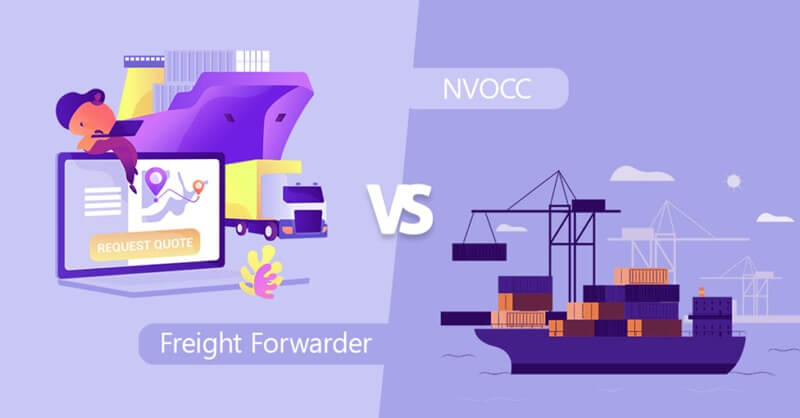
Many Importers Use Both Without Realizing Whose Doing What
Let’s say you’re importing 10 pallets from China. You contact a freight forwarder. They give you a quote, arrange pickup, and book ocean freight. But guess what? The container space might’ve been booked through an NVOCC, not the forwarder directly.
In that case, the freight forwarder acts like a coordinator. The NVOCC acts like a middle-carrier, issuing the bill of lading and reserving space on the ship.
If you’re not paying attention to the paperwork, you may not even know both were involved.
2. NVOCC vs Freight Forwarder: The First Difference Is in How They Handle Carrier Documents
This is where most importers get confused. Both help move your cargo, but only one takes on the role of a carrier, and that shows in the documents.
Here’s a quick look:
Quick Look: Who Issues What?
| Role | Issues Own Bill of Lading | Acts as Legal Carrier | Works with Ocean Carrier |
|---|---|---|---|
| NVOCC | Yes (House Bill of Lading) | Yes | Yes |
| Freight Forwarder | No (unless also acts as NVOCC) | No | Yes |
**Some freight forwarders issue a bill of lading, but only if they’re licensed and operating as an NVOCC.
NVOCCs Issue Their Own House Bill of Lading and Take Responsibility for the Ocean Segment
NVOCC stands for Non-Vessel Operating Common Carrier. They don’t own ships, but they function like a carrier in the eyes of the shipper. That means they issue their own House Bill of Lading (HBL) and take legal responsibility for your cargo during the sea journey.
You won’t see the name of the actual shipping line on the bill. You’ll see the NVOCC. If there’s a problem mid-ocean, your claim goes to them, not the ocean carrier. They’re the party on record.
This extra layer gives them more control, but also more liability.
Freight Forwarders Manage the Full Shipping Process and Work Directly with Carriers to Arrange Transport
Freight forwarders don’t usually issue their own bill of lading—unless they’re also acting as an NVOCC. Their main job is coordination.
They handle pickup, inland transport, space booking, customs, and delivery. But when it comes to ocean freight documents, they work through the actual carrier or an NVOCC.
If you book through a freight forwarder, the official bill of lading will likely come from someone else. The forwarder manages the process, but doesn’t assume carrier-level responsibility unless they step into that role.
Think of them as the planner. The NVOCC plays the carrier.
3. Who Takes Responsibility When Things Go Wrong
In global shipping, things can, and often do, go sideways. A container might get held up at the port. Cargo could arrive damaged. When that happens, the big question is: who handles it?
NVOCC Takes Direct Legal Responsibility for the Cargo
When an NVOCC issues the House Bill of Lading, it becomes the carrier in legal terms. They’re the ones you deal with if something goes wrong during the ocean journey.
This means:
- Your claim doesn’t go to the ship owner. It goes to the NVOCC
- They’re legally accountable for delays, damage, or loss at sea
- You have one party to hold responsible during the marine leg
That kind of direct responsibility can simplify things, especially if you’re importing high-value goods.
Freight Forwarders Work Directly with the Carrier to Handle Claims, So You Don’t Have to Deal with It Alone
Freight forwarders don’t take on legal liability like an NVOCC. But that doesn’t mean you’re left on your own.
Here’s what a good forwarder will still do:
- Help file claims with the carrier or NVOCC
- Follow up on the resolution
- Provide documentation and shipping records
- Act as your point of contact to reduce confusion
They’re not legally responsible, but they’re still your shipping partner. And when something breaks down, that kind of backup matters.
4. What About Customs Clearance?
This part trips up a lot of importers. Your goods arrive, but they can’t move until customs clears them. So, who deals with that?
Freight Forwarders Usually Handle It Directly
In most cases, the forwarder takes care of customs documents. That’s part of the job for them.
- They file the paperwork.
- They deal with taxes.
- They answer customs if there’s a question.
You don’t really have to step in. For many importers, that’s a big relief. Fewer calls. Fewer people in the mix.
If they don’t have a license themselves, they usually work with someone they’ve used for years.
NVOCCs Don’t Do It Themselves
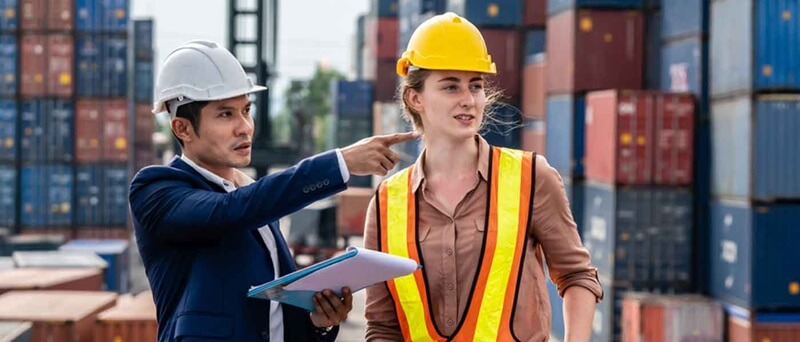
NVOCCs focus on ocean freight. That’s their lane. Customs? They pass that on.
They’ll connect you with a local agent or broker. You might already have your own, or you’ll use theirs. Either way, it’s a handover.
As a result, you need to manage more pieces.
And if customs delays something, you’re not calling the NVOCC. You’re talking to someone else. Maybe someone you’ve never dealt with before.
For some businesses, that’s fine. For others, it’s one too many links in the chain.
5. NVOCC vs Freight Forwarder: The Pricing Structures Are Not the Same
On paper, both may quote for shipping the same route. But their pricing methods are built differently—and that affects how much control you have.
NVOCC: One Number, No Fuss
NVOCCs often lease space from carriers in bulk. They bundle that space with standard services and offer you a fixed price. It’s simple. You ask for a shipment from, say, Shenzhen to Rotterdam, and you get a number like “$1,450 all-inclusive.” No breakdown. No surprises, but also no choices.
This makes sense if you want to avoid managing each piece of the puzzle. The catch? You won’t really know what part of that cost is ocean freight, what’s documentation, or what covers port fees.
If the shipment goes smoothly, great. If not, you’ll have to work through their terms—and possibly eat some of that bundled cost.
Freight Forwarder: More Parts, More Control
Freight forwarders don’t usually reserve container space themselves. Instead, they contact carriers or NVOCCs, build the route, and add service charges on top. Their pricing is more like a menu than a set meal.
A typical quote might include:
- Ocean freight
- Handling charges
- Documentation fee
- Service charge
- Customs coordination (if requested)
You’ll see these listed separately. That means you can negotiate certain parts or skip services you already have covered in-house. One business owner might want door-to-door. Another just needs port-to-port. Freight forwarders let you build around that.
It takes more time to go through the quote. But if you want transparency or have changing needs, this setup is easier to scale.
6. NVOCC vs Freight Forwarder – Which One Should You Choose?
Before you decide who to work with, it helps to see how the two compare side by side. This table breaks down the key differences in services, responsibility, and flexibility.
| Feature | NVOCC | Freight Forwarder |
|---|---|---|
| Issues Bill of Lading | Yes, House B/L | Sometimes, or via carrier/NVOCC |
| Books Carrier Space | Yes (buys space in bulk) | Uses NVOCC or carriers |
| Handles Full Logistics | No – Ocean only | Yes – Air, Sea, Land, Customs |
| Pricing Style | Bundled, all-inclusive | Itemized, customizable |
| Ideal For | FCL shipments, ocean-only | Mixed-mode, complex routes |
| Customs Support | Limited or via a third party | Usually in-house or partner network |
| Flexibility | Low | High |
This isn’t about choosing who’s “better.” It’s about what fits your needs. One gives you cost-saving ocean space. The other offers full control over your supply chain.
When NVOCC Makes More Sense
If your cargo is going port-to-port and you already know how to handle the rest, an NVOCC is often enough. They buy space in bulk, issue their own house bill of lading, and move your container across the sea. For many importers, that’s all they need.
You won’t get help with customs or inland delivery, but you also won’t pay for services you don’t need. This approach works well when the shipment is a full container (FCL), and you or your partners are experienced with local handling.
You can learn more about FCL and FCL from this article.
When a Freight Forwarder Is the Better Fit
Some shipments are just too messy for a single-mode provider. Maybe the goods move through two ports, switch to air midway, and still need to clear customs at the end. In cases like that, freight forwarders are built for the job.
Say your products leave a factory in Southeast Asia. There’s an ocean leg, an airport stop, and a final stretch by road. A freight forwarder pulls those parts together. One team, one chain of responsibility. No jumping between agents, no explaining things twice.
When there are more moving pieces or need LCL shipping, they keep things from falling apart.
7. Some Logistics Companies Offer Both Under One Name
You might come across a company that calls itself both an NVOCC and a freight forwarder. That’s not unusual. Many logistics firms are licensed to do both, and they don’t always separate the two roles clearly when dealing with customers.
This setup works well for importers who want fewer touchpoints. One company handles booking ocean space, issuing the bill of lading, arranging customs clearance, and maybe even handling last-mile delivery.
Still, it’s good to ask what part they’re doing as an NVOCC and what part falls under freight forwarding. Not because one is better, but because the legal responsibilities and pricing structures can be different.
Frequently Asked Questions
Is it necessary to work with both an NVOCC and a freight forwarder?
Not always. Depends on the shipment. Some people have one and run with it. Others want both, especially when matters cross borders and become messy.
Don’t NVOCCs work with air freight?
Yeah, mostly. They’re focused on ocean cargo. If air freight is what you’re after, a freight forwarder is a better bet.
And what if I don’t know who’s doing what?
That happens. Some companies blur the lines. You may think you are doing business with a freight forwarder, but they are an NVOCC in the background. Ask them to explain. If they can’t, it’s a red flag.
Can I switch later if I pick the wrong one?
Sometimes. But switching mid-shipment? Not easy. Better to ask up front what they’ll handle and what they won’t.
Winsky Freight helps you choose what actually fits your shipment
Still unsure what works best? That’s normal.
Most importers don’t sit around comparing acronyms. You just want your goods to move smoothly, arrive on time, and skip unnecessary delays.
We manage the full process, by sea, air, or land, and handle the paperwork that comes with it.
If your shipment needs more than just an ocean ride, or you’d rather not chase agents in five countries, let us help.
Talk to us about your shipment today, and you will get the best solution. If you have any shipping waiting, you can ask for a free quote.
Leave A Comment