
How To Negotiate With Chinese Suppliers?
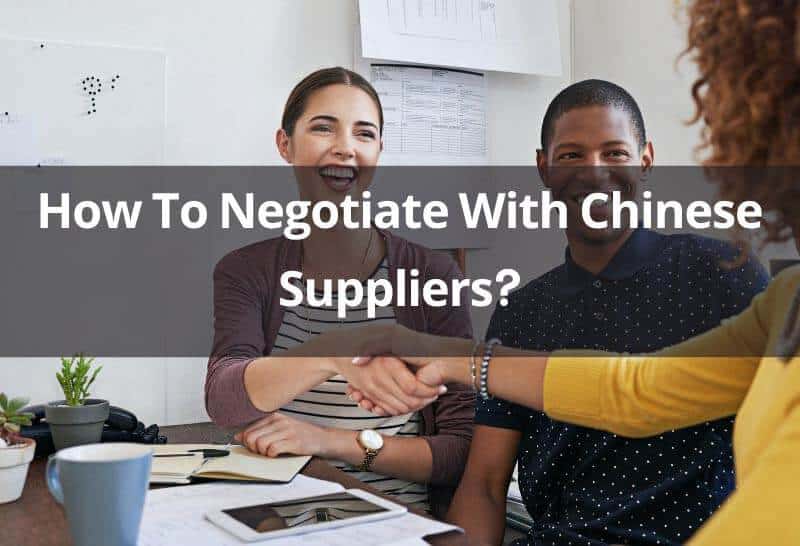
Purchasing from China can be cost-effective, but only if you know how to negotiate. Negotiation strategies with Chinese suppliers are not only about agreeing on a certain price.
More often, it involves asking the right questions, interpreting correctly, and knowing when to leave the negotiation table.
You might face delays, inadequate packing, or, in a worst-case scenario, be scammed. Ask this:
“What is your production lead time?” Do you provide quality checks? Who is responsible for shipping if there are issues?
This guide will let you navigate with confidence and save you from spending more than you should.
Chinese Suppliers Have Their Own Ways of Thinking
Dealing with Chinese suppliers is not all business. It’s part a riddle, part a test of human connection. You don’t just throw numbers at them. You listen. You get the unspoken message. If you cannot feel the flow, you probably won’t get the contract.
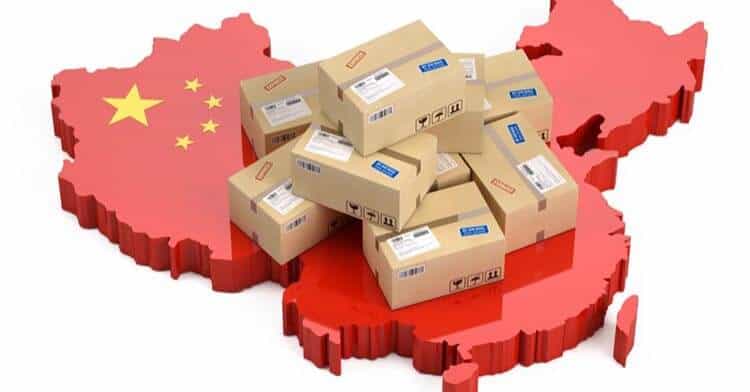
You Need to Understand Chinese Business Culture
Business in the region will not be on a tight deadline. Straightforward communication is also not the norm. There are no “yes or no” answers.
In China, People are generally slow. Some responses take days but provide vague answers. Don’t read too much into those days, they want to evaluate your durability.
Here’s something many people miss: The contract is not the whole deal. It does have its uses. However, the most important parts of the contract are verbal. A gesture. A change in tone. A minor assurance during a phone call. If you miss those cues, the document won’t help you.
Build a Good Relationship: ‘Guanxi’
Don’t set your expectations on achieving a lot in the initial stages. It Will Hurt You.
You are establishing ‘guanxi.’ A relationship of more value. It implies they trust you, remember you, and they will give you preferential treatment over others.
How?
- Follow your commitments
- Do not haggle too aggressively at the onset.
- Do not pay late.
- Say thank you when they provide what they promised.
- Ask about business rather than simply inquiring for a quote.

Over time, they will provide you with better deals. Better updates and even proactive assistance where others would just say, “not in a million years.”
You Might Not Hear a Clear “No”
In case they say, “We will try,” do not take that as a yes.
The Chinese do not outright reject you. They tend to soften their responses to avoid sounding rude. Saying no is often considered offensive, and therefore, they use a more polite phrasing.
Look out for other less blatant indicators: Delays, Ambiguous promises, and Missing information. That’s where the real answer is.
If you need something clarified, request it in a different way. Rephrase your request. Maintain a polite but firm manner. If it remains unclear, consider that a “no” without verbal confirmation.
You Should Never Embarrass Someone in Front of Others
This is impactful.
If there is an issue—wrong dimensions, delays, poor stocking—please don’t lose your cool in a group chat. Don’t publicly label them in front of their colleagues. Don’t post grievances without notice.
That can kill the deal. They simply won’t respond. Or they will respond, but do so in the most mundane way possible, with the simplest phrasing available, just so that they can incapacitate you.
That is why it is better to talk to them. Ask what went wrong, and remain calm. It demonstrates they can offer solutions to these issues and will be respected for their effort, and they will remember it next time.
How Can You Prepare Like a Pro Before Negotiating?
The real work starts before you start messaging the supplier. If you are unsure and hesitate, the supplier will notice that. The result will be that you will pay more and get less.
Conducting Comprehensive Market Research
Don’t settle for one quote; get ten, or more, and get one from each. Gather all their price lists, detailed shipping policies, and information on offered products.
Always look up the platform too, whether it is Alibaba, Made-in-China, or 1688. Check who has what and how much of it, and at what volume they can offer.
Look past the product. What does the seller say? How do they respond to you? That’s usually a sign of experience and not an indication that they’re just selling something.
What Are Your Negotiation Goals? Price Range, Delivery Timeline, MOQs, etc.
Know what you want before the chat starts.
Ask yourself:
- What is my absolute maximum budget?
- How fast do you need the item delivered?
- What MOQ can I afford?
- What about private labeling?
- Do all accept partial shipments?
If you don’t sort these terms out beforehand, you will likely be offered their preferred “deals.” And you can face expensive shipping.
How To Negotiate With Chinese Suppliers?
With Chinese suppliers, it’s part strategy, timing, and supplier psychology. It’s not as simple as asking for a price reduction. It’s how you ask, what information you have before that discussion, and how you choose your words. Get this right, and you secure great prices, great services, and fewer unexpected costs.

Start with a Friendly Tone, Not a Demand
You’re buying something, so avoid saying quotes like ‘Best price?’ or ‘Send catalog,’ or they’ll assume and treat you as if you’re a bot.
Make sure to sound human, a bot-like tone is a no-go! Start the conversation with:
Hello there! I’m trying to source the product number [insert product number here]. Could you please verify if you are the manufacturer? If you are, do you have any experience exporting to [your country]? I would really love to know.
Ask for the Price, Never Reveal Your Budget First
Try to establish a price, but never tell them your budget.
If they have knowledge of your maximum spending limit, they will tailor their quote to that instead of the cost of the product.
Ask for:
- Unit price at different volumes: 100, 500, or 1000
- Shipping costs to the port or address
- Additional expenses: logo design, packaging, certifications
Then compare quietly. It’s better if they remain uninformed about the offers from competitors, for the time being.
Take Quotes from Multiple Suppliers from Different Parts of China
Different provinces, different pricing. Labor costs, raw material access, and port distance all play a role.
Here’s a quick comparison:
| Region | Known For | Price Range | Notes |
|---|---|---|---|
| Guangdong | Electronics, Plastics | Medium–High | Great quality, fast lead time |
| Zhejiang | Fashion, Home Products | Medium | Flexible MOQs, fast sampling |
| Fujian | Shoes, Bags | Low–Medium | Strong in exports |
| Yiwu | Low-cost Accessories | Low | Best for simple bulk products |
Always get samples. Low prices sometimes mean lower quality or weaker QC.
Negotiate Terms Also
Bargain on terms. Price is also only one component. The real outcome is decided by terms.
Pay close attention to:
Ask for reasonable deadlines instead of only what sounds nice in production time.
Payment should be avoided entirely up front. See 30/70 or 40/60.
Clearly state size, substance, and protection in packaging.
Who manages what Incoterms? FOB, CIF, ex-works? Get it down on paper.
Talk About Volume and Repeat Business.
Chinese suppliers think long-term. If you mention future orders, they may offer better pricing right away.
Experiment with this:
“We will reorder every two months should this proceed according to plan. Could we work on improved repeat order pricing?
Tell them you intend to grow even if your volume is low right now; it will make a difference.
Silence Sometimes Is Better Than Words
More than you would believe, this works.
Stop after they quote. Not replying for a few hours. Perhaps tomorrow.
Often, they will follow up with:
Hi; are you still there? Should necessary, we can change the pricing.
Silence causes them to guess. And guessing helps them to decrease the price on their own.
Use Comparative Without Referring to the Source
Never mention, “Supplier X offered it for less.” That comes out as fake or nasty.
Say otherwise instead:
“We have seen like items listed at $2.10 with packaging. Can you either match or surpass this?
That indicates you have done some investigation. They will give you great weight. They also know there are other games in town.
Take Help from a Sourcing Agent to Get the Best Price and Quality

If you’re new or handling a high-value product, don’t go it by yourself.
A competent sourcing agent in China can:
- See manufacturers.
- Negotiate in Mandarin.
- Look at production quality.
- Manage documentation and delivery.
Usually, they charge five to ten percent of the order value. Still, the money you save on errors and delays counts. Well worth it.
You can also hire consultants and freelancing negotiators.
A few freelancers focus on supplier negotiating. Websites like Upwork or Fiverr feature them.
Bonus Strategy: Sourcing Based on Regional Expertise
Not every Chinese manufacturer produces with the same standards. Alternatively, move at the same speed. Or perhaps approach purchasers the same way. The location of your supplier will affect your complete experience and reduce shipping cost from China.
Different parts of China are well-known for particular kinds of products. Local expertise, raw resources, and factory clusters all count. A shoe-making facility in Wenzhou might be less expensive, faster than one in a smaller inland city attempting the same, and provide superior packaging.
Go south if you are looking for gadgets. Go east if you are sourcing textiles. And if the price appears overly reasonable for that area? Seek more questions. It can be a reseller rather than a true producer.
Knowing where to search increases your power. It also enables you to recognise early on poor fit.
| Region | Specialty Products | Why It Matters |
|---|---|---|
| Guangdong | Electronics, toys, and phone accessories | Skilled labor, fast shipping, better English support |
| Zhejiang | Garments, textiles, household items | Flexible MOQs, high output, competitive pricing |
| Fujian | Shoes, sportswear, bags | Strong OEM focus, export-ready factories |
| Jiangsu | Machinery, auto parts, medical equipment | Advanced tooling, reliable quality, larger factories |
| Shandong | Ceramics, glassware, chemical products | Lower cost, solid infrastructure, inland manufacturing |
| Hebei | Steel, furniture, heavy goods | Industrial strength, good for bulk durable products |
| Yiwu (City) | Small goods, fast fashion, accessories | Cheapest prices, massive product variety |
Sourcing based on region is like picking the right market stall. Go to the place that knows what they’re selling. You’ll get better answers, better support, and fewer disappointments.
FAQs
Can I ask for a first-order discount?
Indeed, but avoid immediately pushing too aggressively. Give more of your attention to developing confidence. After the second or third order, other vendors have better rates.
How best might one request a reduced price?
Maintain politeness. Let them begin with a quotation. Then state something like, “That’s a bit above what others are offering for comparable specs.” Can we change this? Should I order repetitive items?
Should I use email or chat to negotiate?
Start with chats. After you are in the queue, email to confirm everything. Should something go wrong, tracking is simpler and safer.
Why would Chinese suppliers refrain from directly saying “no”?
Cultural in nature. Saying “no” seems overly direct or nasty. Rather, they will say “we’ll try,” or “maybe later.” Get good at timing and tone reading.
What would happen if the supplier shuts off after I probe difficult issues?
That raises flags. Either they are not interested in major buyers, or they lack good responses. Move on or reinterpret your enquiries more precisely.
Should I personally visit factories or rely on a sourcing agent?
If you are fresh, work with an agent. They will assist you with communication management, better rates, and avoidance of scams. Direct contact works if you have done this before.
How can I safeguard my brand or design?
File your trademark registration in China. Share product files after requesting an NDA. And never forward your entire design straight to a new vendor right away.
Can I pay after the order is delivered?
Scarcely often. Most vendors ask for 30% prepayment and 70% before shipping. Better terms may follow from a long-term relationship you develop.
Take Help from Winsky Freight to Ship Your Product
“China is a major business hub, but not every supplier delivers consistent quality. For beginners, professional guidance is essential. If you’re struggling, agencies and freelancers can help you find reliable suppliers.
Once you’ve secured your ideal supplier, let Winsky Freight ship your products safely to their destination.
Ready to simplify your shipping? Contact Winsky Freight Today for seamless logistics!”



Leave A Comment