China Warehouse for International Shipping: Complete Guide
EmmayipWF
October 22, 2026
If you are a regular importer from China, you already know the costs of scattered shipments. It becomes really expensive, and the solution to this problem is having a China warehouse. A China warehouse gives you one place to store goods from multiple suppliers.
Moreover, you can ship everything together once your order is completed. In this article, you will learn how a China warehouse works, what its benefits are, who benefits from it, and what factors to look for when you are choosing a China warehouse provider.
What Is a China Warehouse?
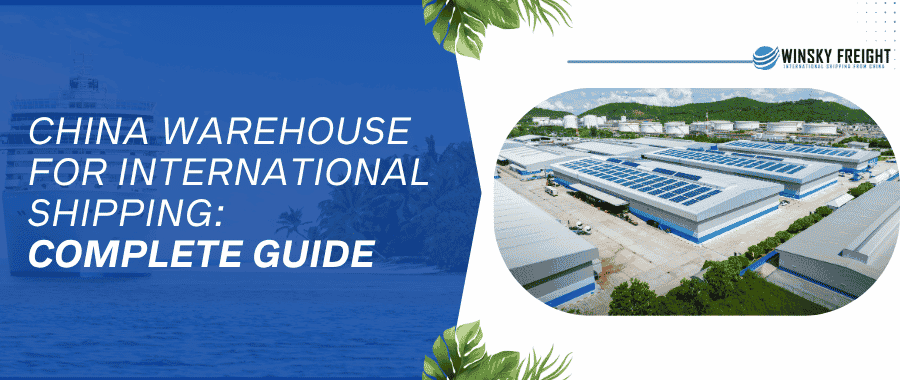
A China warehouse is a storage facility in China where importers, suppliers, and manufacturers hold goods before shipping. It lets you receive stock from multiple factories in one place, store it until you are ready, and send it out as a single shipment. Some warehouses also ship straight to your customers or Amazon FBA centers.
Who Should Use a China Warehouse?
Any business that sources goods from Chinese manufacturers and suppliers can have a China warehouse. If you are a seller on Amazon, you can store stock before it reaches an Amazon FBA warehouse. If you’re running an online store, a China warehouse lets you hold inventory in China and deliver orders only when they come in.
Medium and small importers benefit the most from China warehouses. The reason is that they often buy products from multiple suppliers and manufacturers at once, so they don’t have to pay for several shipments. Instead, they can wait until every order arrives and then combine everything into a single shipment. This method works well with a china consolidated shipping service, and it also reduces your total freight cost.
Crowdfunding brands and start-ups rely heavily on China warehouses. This is because they need a flexible storage room while they are also testing demand, without committing to a long-term lease or a full-time logistics team.
What Services Does a China Warehouse Provide?
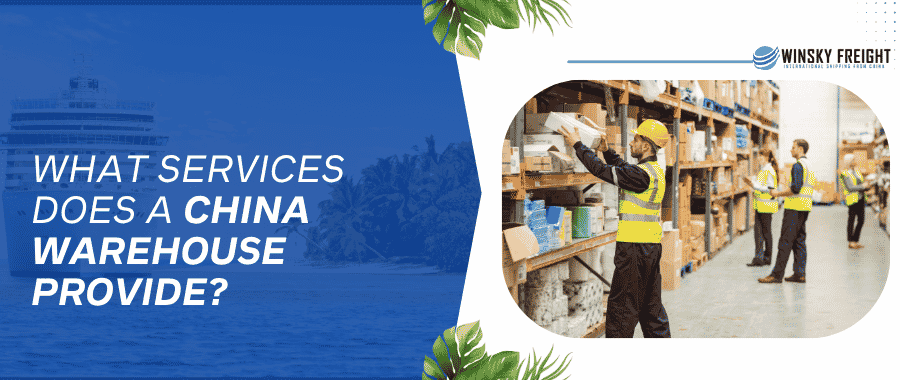
A modern China warehouse does more than store boxes. Most China warehouse providers offer inventory management, inbound receiving, labeling, repacking, and quality inspection. When you get all these services together, they turn a storage space into a full fulfillment hub.
Many China warehouses also prepare shipments for specific channels. For example, they can label and pack cartons to meet Amazon FBA requirements before your products dispatch to the airport or destination port. The FBA Prep service reduces the risk of a rejected shipment and saves you time once your order lands at the target fulfillment center.
Most China warehouses are linked directly to shipping options beyond storage. Some examples are air freight, express freight, train freight, and sea freight. This connection highlights that your products will not change hands between separate providers. Therefore, the transit process stays reliable and smooth from pickup to delivery.
How Does a China Warehouse Work?
A China warehouse turns a scattered supply chain into one smooth process. Here is how it works, step by step.
Step 1: Get Your China Warehouse Address. Your freight forwarder gives you a dedicated warehouse address in China. You share this address with every supplier instead of your own office or home address.
Step 2: Ask Suppliers to Send Goods to the Warehouse. Each supplier ships their portion of your order to that address. You no longer have to arrange separate deliveries yourself.
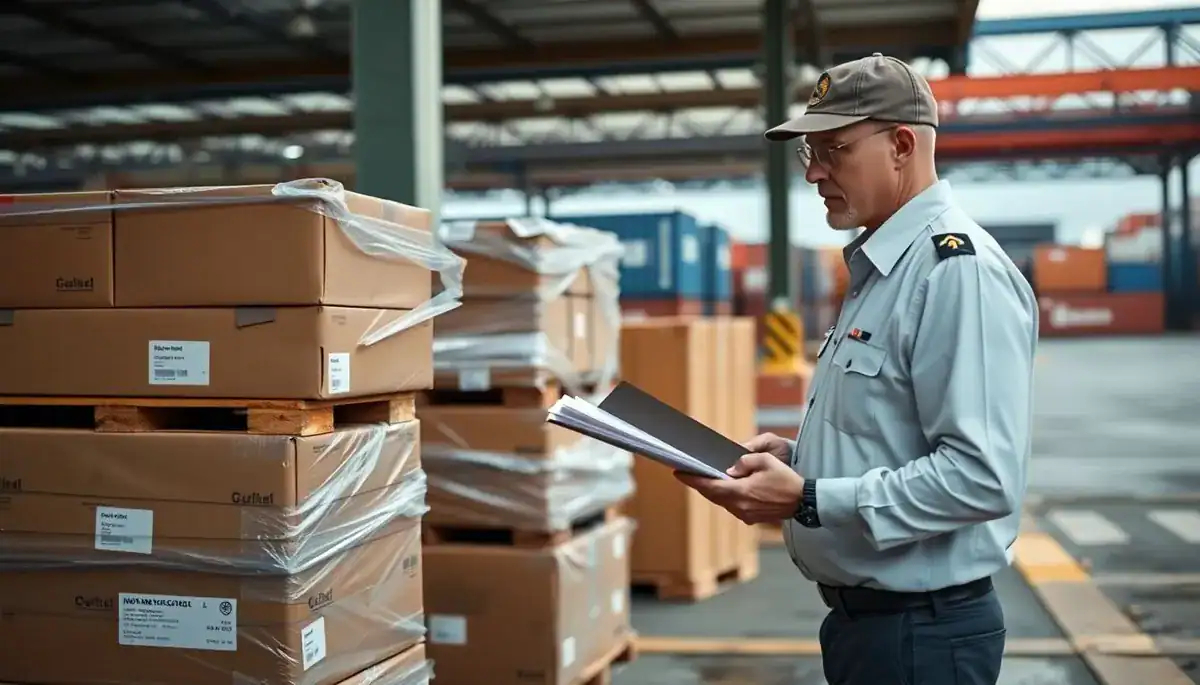
Step 3: Receive and Check the Cargo. The warehouse team receives every package, counts the items, and checks them against your order. They log each shipment into their system as soon as it arrives.
Step 4: Store and Track Your Inventory. Your goods sit in the warehouse until you are ready to ship. Most providers give you online tracking, so you always know what has arrived and what is still in transit.
Step 5: Inspect, Repack or Label the Goods. The warehouse can inspect your products for quality, repack them into fewer boxes, or label them to meet requirements such as Amazon FBA.
Step 6: Consolidate Multiple Shipments. Once every supplier’s goods arrive, the warehouse combines them into a single shipment. This step cuts your total freight cost.
Step 7: Choose the Shipping Method. You pick the shipping method that fits your budget and timeline, whether that is express, air, sea, or rail freight.
Step 8: Export and Deliver the Shipment. The warehouse clears customs, hands your shipment to the carrier, and delivers it to its final destination, whether that is your store, your own warehouse, or an Amazon fulfillment center.
What Shipping Methods Can You Use After Consolidation?
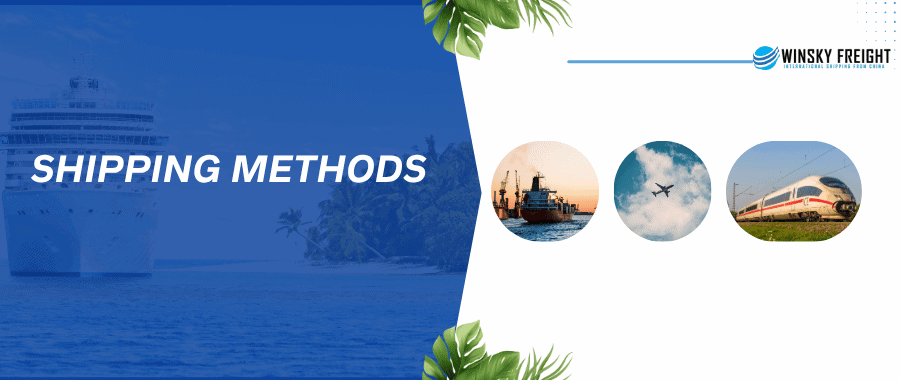
You can select the best shipping method based on your budget and timeline once the consolidation is completed. Express shipping from China moves fastest through carriers like UPS, FedEx, and DHL, and it usually arrives within 3 to 7 days.
If you want a balance between cost and speed, then air freight is the best option for you. It takes 5 to 10 business days to deliver the shipment. As a result, it becomes a strong choice when you need stock quickly but also want to avoid express rates.
Sea shipping from China costs the least per unit, though it takes the longest. Ocean shipments usually arrive within 25 to 40 days, so pick this option for bulky or heavy goods that are not time-sensitive. If your factory sits near Europe’s rail network, rail freight from China gives a middle ground, with a transit time close to 16 days.
If you would rather not handle customs and duties yourself, DDP shipping from China rolls duties, taxes, and delivery into a single quote, so your shipment lands at your door with nothing left to pay.
What Should You Consider When Choosing a Warehouse in China?
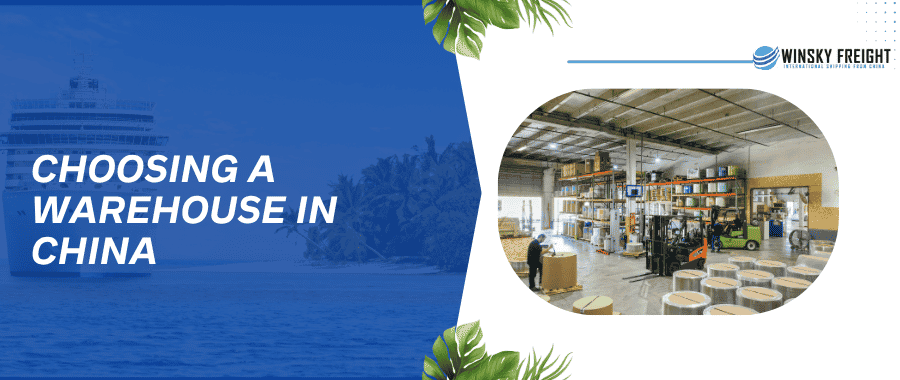
The most important factor that matters when choosing a warehouse in China is the location. If your warehouse is near a major port or airport, such as Shenzhen, Ningbo, or Shanghai, it would cut down domestic transport time before your products leave China.
The second factor is to check what services the warehouse is actually providing. Some warehouses only store goods, while others can also handle inspection, FBA labeling, and repacking. You should choose a provider whose services match your business requirements and model.
Cost transparency also matters in this case. You should verify storage fees, handling fees, and any other charges that apply once the free storage period ends. A trustworthy freight forwarder will explain everything about the fees to you before you commit.
Finally, review their tracking and communication process. You should have a reliable freight forwarder that gives you real-time visibility into your product inventory. Therefore, you will always know what still needs to arrive and what is on hand.
Why Use Winsky Freight’s China Warehouse?
Since 2007, Winsky Freight has focused on China freight forwarding. Whether you are selling through Amazon, buying through Alibaba, or running a mid- or small-sized import business, our team will help you with express, air, sea, and rail options from China to your target destination.
Every shipment will go through import customs clearance, so you don’t have to manage the process on your own. We also secure shipping space with more than 100 top carriers. As a result, it protects your delivery timeline even during peak season.
When you choose shipping with us, you get 14-30 days of free warehousing at no extra cost. This gives you time to consolidate orders from different suppliers before your shipment leaves. To find out the current rates for your route, you can request a quote directly from our team.