
Air Freight Vs Ocean Freight: How To Choose?
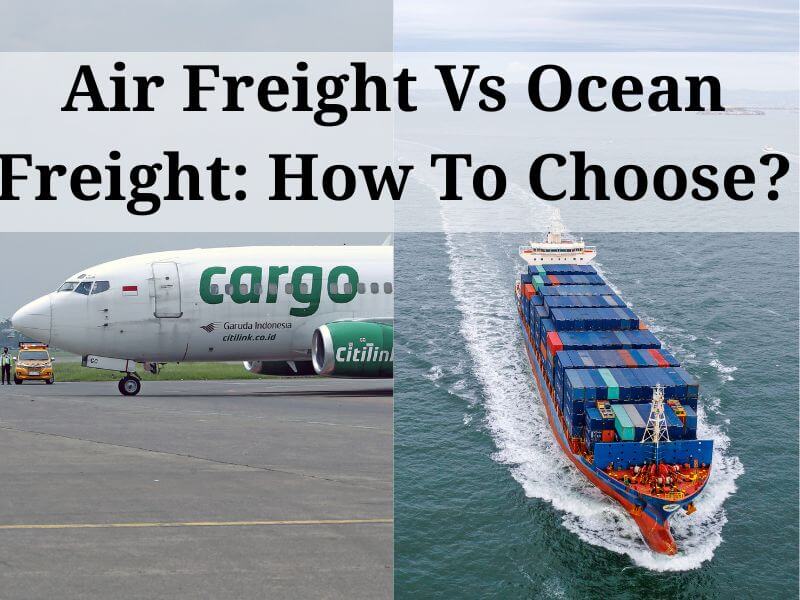
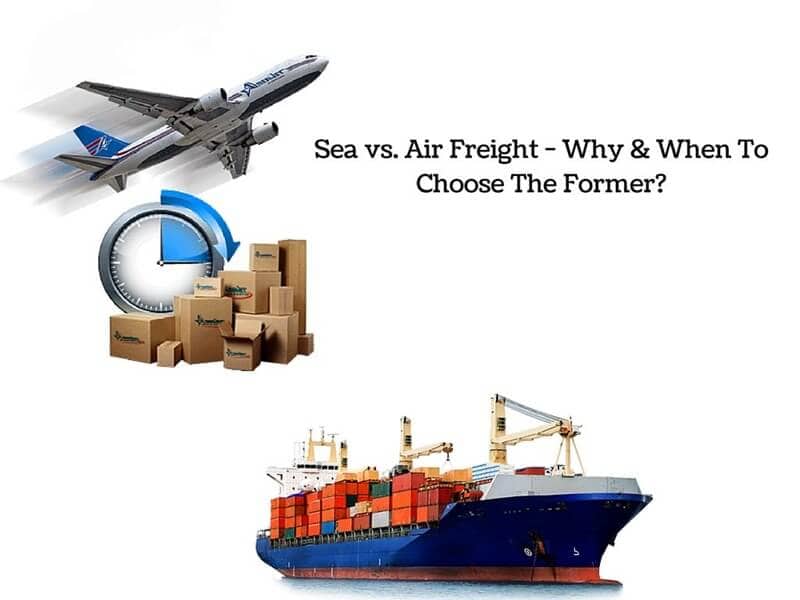
If you want to send products from one country to another, one of the first things that you’re going to want to consider is whether to ship goods by air or by sea.
Air cargo is quick and reliable, perfect for urgent or short-haul deliveries. Sea freight is slower but cheaper, particularly for bigger volumes.
In this guide, we’ll give you an overview of the essential differences, then compare costs and delivery times, and help you to decide which makes sense for your shipment.
- Air freight vs ocean freight is a serious choice that affects your cost and delivery outcome
- Air freight works when time is tight and delivery can’t wait
- Ocean freight gives you better rates for large or heavy shipments
- Your cargo type can limit which method you can use
- Volume and weight affect what you’ll pay
- Air freight vs ocean freight depends on how soon you need customs clearance
- Both air and sea come with extra charges that importers often miss
- Knowing when to choose air and when to choose sea can save your business thousands
1. Air Freight vs Ocean Freight Is A Serious Choice That Affects Your Cost And Delivery Outcome
We’ve seen businesses lose margins, miss deadlines, or end up with stuck inventory because of choosing the wrong shipping method. So if you’re unsure, it’s better to pause and evaluate properly before booking.
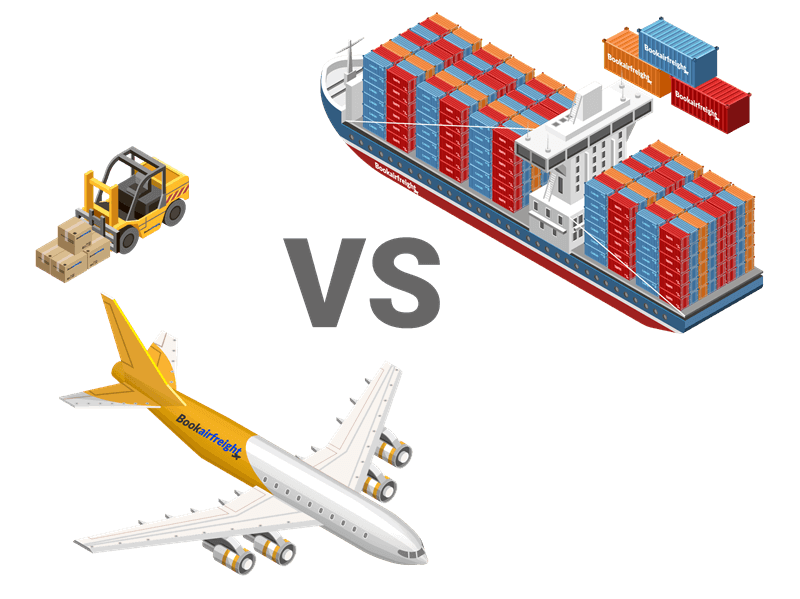
Picking The Wrong Mode Can Delay Your Shipment Or Destroy Your Profit Margin
Let’s break this down with two real-world examples.
Pretend for a moment that you’re importing a shipment of winter jackets. It’s ocean freight for you to save costs. It feels like a smart move until the packages take five weeks to arrive instead of four, and the jackets come in the middle of January.
You don’t order enough to hit your peak season, and now you’re offering discounts to just get the product off your shelves.
Now flip the situation. You’re bringing in foam pillows. They’re feather-light and yet bulky. When you select air freight, it’s because you need it in a hurry. But when a bill arrives, you discover that the airline charged by volumetric weight, and your profit is all but canceled out.
These are the types of errors that occur when people concentrate solely on the shipping quote, rather than considering the timing, product type, or how the costs are calculated.
You Need To Look At Speed, Cost, Volume, And Cargo Type—Not Just The Shipping Rate
Shipping isn’t one-size-fits-all. A cheaper rate doesn’t always mean lower cost in the end, and faster shipping isn’t always better if your timeline doesn’t demand it.
Here’s what you really need to consider:
- Speed: Air freight is fast, usually 3 to 7 days. That can be useful for when you’re up against a tight timeline or need something in your stocks asap. Sea shipments are slower, typically 25 to 45 days, depending on the route and port congestion. But if time is not of the essence, the sea is more flexible.
- Cost: Air is charged by volumetric weight, so large but light objects can add up quickly. Shipping painted figures can be done either by Cubic Meters (CBM) or by container size. Ocean freight is generally cheaper for heavy or bulky consignments.
- Volume: Got a few boxes? Air may be practical. A half-container or more? It’s also more cost-effective to go by ocean freight. Attempting to ship too much by air will wipe out your margin before your goods even make it to port.
- Cargo type: If you’re shipping electronics, samples, perishable goods, or high-value items, air is usually a safer and faster way. If you’re moving furniture, tools, raw materials, or anything that can sit for a few weeks, you’d better choose ocean freight.
NOTE: We have a detailed article on chargeable weight. We hope that will help you find out how air and ocean freight charges you.
2. Air Freight Works When Time Is Tight And Delivery Can’t Wait
When everyday matters, air freight is usually the optimal option. It is fast, dependable, and intended for situations where delays are not an option. No matter whether you’re moving samples, urgent stock, or high-value goods, air lets you bypass the endless delay of the sea.
Yes, it’s costly, but for many people, it’s the only remaining option to keep their plan on course.
Flights Move Faster—And Stick To Schedules
Air Shipping normally takes 3-7 working days, depending on which airport and customs speed. Unlike shipping by sea, which can experience port congestion, bad weather, or roll-overs, flights adhere to tight schedules.
Even if there’s a delay, another flight is typically available in a day or two.
Now, not all air freight is door-to-door. There are different service levels:
- Regular air freight (airport-to-airport) is the standard. You or your freight forwarder arrange pickup at the destination. It’s cheaper than express but still fast.
- Express air (door-to-door) services like DHL, FedEx, or UPS are faster and more convenient but come at a higher cost.
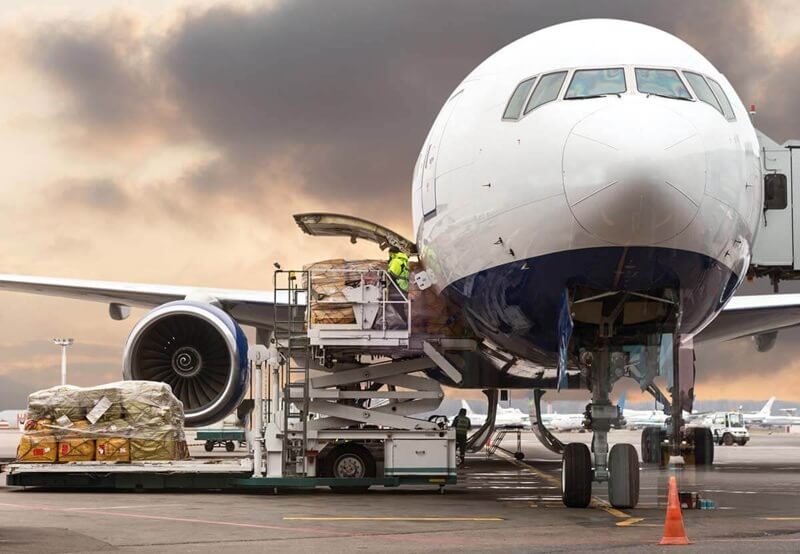
Great For Product Launches, Urgent Samples, Or High-Value Items
And that’s where air freight really delivers, whether you’re talking about timing, value, or visibility. If you’re planning to launch a product in the near future, missing a delivery deadline isn’t in the cards.
If samples need to reach a buyer or an event by a certain date, you can’t wait weeks for a container to travel back and forth.
And if you are shipping fragile goods, say electronics, fashion accessories, or medical components, air gets you faster handling, better tracking, and less movement exposure.
3. Ocean Freight Gives You Better Rates For Large Or Heavy Shipments
If you’re shipping big volumes or bulky products, ocean freight usually gives you the best deal. It takes longer, but the cost per unit is much lower than air.
Container Loads Spread The Cost Over More Goods
With full container loads, you pay a flat rate for the space, not the weight. The more you can fit inside, the cheaper it becomes per item.
Even if you’re not filling an entire container, less-than-container loads (LCL) still provide significant savings when you ship regularly.
It’s a benefit, say some importers who are well aware of their inventory needs. By consolidating stock, planning shipments ahead, and staying away from the high cost of urgent freight. It’s a system that works great if you have the timeline on your side.
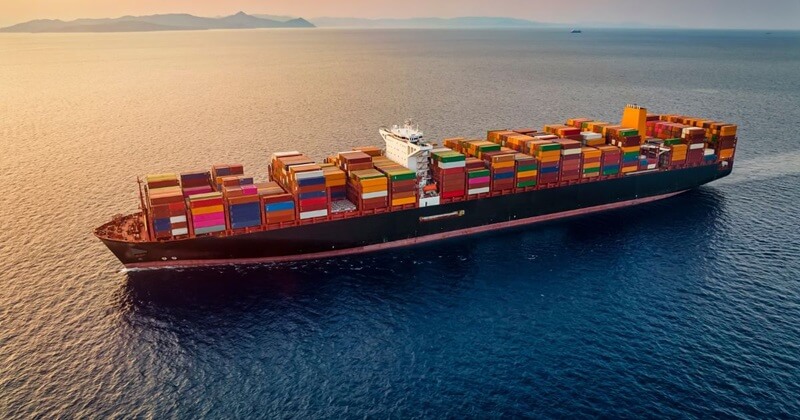
Best For Regular Inventory Or Non-Urgent Supply
If you’re restocking a warehouse, fulfilling wholesale orders, or moving goods that don’t need to arrive next week, ocean freight is the ideal medium. Though it may take 30 to 45 days, the savings often make up for the wait.
Also, you can mix the freight type depending on the situation. For quick items, go for air freight and where things can wait, go for ocean freight.
4. Your Cargo Type Can Limit Which Method You Can Use
The type of goods you’re shipping can decide for you. Some products can’t afford a long journey at sea. Others are too large, too heavy, or too restricted to fly.
Fragile Or Perishable Goods Often Fly Better
Air freight comes with faster delivery, smoother handling, and tighter security. That’s why it is ideal for sensitive items to time, temperature, or movement. If your product can spoil, get damaged easily, or lose value from long transit, we suggest you send it by air.
These are the types of goods that tend to fly better:
- Electronics: smartphones, tablets, laptops, cameras, microchips
- Perishables: fresh fruit, seafood, frozen food, dairy items
- Cosmetics & personal care: creams, serums, perfumes
- Medical goods: vaccines, lab samples, diagnostic kits
- Live goods: flowers, plants, aquarium fish
- Luxury or high-value items: watches, jewelry, designer clothing
Air freight reduces the risk of damage and spoilage. Moreover, tighter tracking gives peace of mind, especially for urgent or sensitive products.
Oversized, Restricted, Or Hazardous Items Are Easier To Transport By Sea
Ocean freight also provides more flexibility for cargo that does not fit into typical air cargo space or that is too heavy to fly. Ships can transport oversized, cumbersome, or heavy items without the stringent weight and size restrictions that airlines have.
You also get additional choices for dealing with dangerous goods that need to be declared and packed separately.
Goods better suited for sea freight include:
- Heavy equipment: generators, engines, industrial machines
- Oversized items: furniture, bathtubs, large signage
- Construction materials: tiles, lumber, steel bars, pipes
- Hazardous materials: lithium batteries, chemicals, paints, aerosols
- Bulk products: paper rolls, rice sacks, plastic pellets
- Vehicles & parts: motorcycles, auto parts, bicycles
Many of these items are either too costly or too restricted to send by air. With ocean freight, you have room to pack, label, and load them safely.
5. Volume And Weight Affect What You’ll Pay
How heavy your shipment is, or how much space it occupies, greatly affects the cost. But how air and sea freight calculate fees is entirely different. If you don’t know how they value your cargo, you might misjudge the cost and wind up paying more than you had expected.
Air Charges You On Volumetric Weight—Size Matters As Much As Weight
With air freight, you’re charged based on whichever is higher: the actual (gross) weight or the volumetric weight. Planes have a limited area, and they don’t want to waste that.
The standard formula for volumetric weight in air freight is:
Volumetric Weight (kg) = (Length × Width × Height in cm) ÷ 6000
If the volumetric weight is higher than the actual weight, you’ll be billed for that amount.
Let’s say you’re shipping a box that weighs 10 kg, but it’s large:
- Dimensions: 60 cm × 50 cm × 40 cm
- Volumetric Weight = (60×50×40) ÷ 6000 = 20 kg
- You’ll be charged for 20 kg, not 10
Here’s how it looks in a table:
| Type of Weight | Value |
|---|---|
| Actual Weight | 10 kg |
| Volumetric Weight | 20 kg |
| Chargeable Weight | 20 kg |
So even if your item is light, size can drive the cost up. This hits especially hard for bulky, low-weight products like cushions, helmets, or plastic containers.
Sea Freight Handles More Cargo At A Lower Per-Unit Cost
Ocean freight charges are based on volume, not weight—unless you’re shipping extremely heavy cargo. The most common pricing unit for sea freight is the CBM (Cubic Meter).
CBM = (Length × Width × Height in meters)
If you’re shipping Less Than Container Load (LCL), you pay per CBM. Most LCL rates range from $25 to $60 per CBM, depending on the route. Full Container Load (FCL) is charged at a flat rate per container—usually 20ft or 40ft—regardless of how full it is.
Let’s say your shipment takes up 2.4 CBM:
- Rate: $45 per CBM
- Total Freight Cost = 2.4 × $45 = $108
Here’s how that looks:
| Measurement | Value |
|---|---|
| Cargo Volume | 2.4 CBM |
| Rate per CBM | $45 |
| Total Cost | $108 |
Weight rarely matters unless your cargo exceeds 1,000 kg per CBM, which is considered dense cargo and may be charged differently.
6. Air Freight Vs Ocean Freight Depends On How Soon You Need Customs Clearance
Customs clearance time doesn’t just depend on your paperwork. The medium also matters. Airports and seaports operate very differently.
Airports Process Cargo Faster, Often Within A Day
Air freight usually clears customs within 24 hours after landing, assuming the documents are correct and there are no issues.
Why is it faster?
- Airports move smaller cargo volumes if you compare them to ships.
- Most air shipments are already pre-booked and processed digitally before landing.
- Airlines and customs brokers work on daily flight schedules, so the turnaround is quick.
In many major airports, like Hong Kong, Frankfurt, or Los Angeles, you can expect your cargo to be ready for pickup within 12 to 36 hours of arrival.
Here’s a general timeline for air freight:
| Step | Estimated Time |
|---|---|
| Flight arrival | Day 0 |
| Customs clearance | Day 0 to Day 1 |
| Cargo release & pickup | Same day or the next day |
Seaports Need Longer Handling And More Paperwork
Ocean freight takes more time to clear. Port logistics are more complex.
Here’s what slows things down:
- Cargo arrives in bulk compared to air.
- Port authorities schedule unloading based on many things, like ship position, container location, and port traffic.
- Things like yard checks, customs screening, and possible inspections also increase the customs process time.
Even with clean documents, it usually takes 3 to 5 working days to clear and release LCL shipments. For FCL (Full Container Load), it’s a bit faster, which is 2 to 4 days.
Here’s a typical ocean clearance timeline:
| Step | Estimated Time |
|---|---|
| Vessel arrival | Day 0 |
| Container offloading | Day 1 to Day 2 |
| Customs clearance | Day 2 to Day 5 |
| Cargo release & pickup | Day 4 to Day 6 |
7. Both Air And Sea Come With Extra Charges That Importers Often Miss
Doesn’t matter which medium you choose to ship your goods, air or ocean, there are certain extra charges that you may not consider in the beginning.
Air May Include Fuel, Security, And Terminal Fees
With air freight, you should expect add-ons like:
- Fuel surcharge (often 10–20% of base rate)
- Security fees for screening cargo
- Airline terminal handling charges at departure and arrival
- Customs brokerage fees, if not included in your service
These costs vary by airline and route and are usually charged per kilo or per shipment.
Ocean Adds Port Charges, Warehousing, And Container Handling
Ocean freight often comes with:
- Port handling charges (THC) at both ends
- Container cleaning or detention fees if delays happen
- Warehousing or deconsolidation for LCL shipments
- Documentation and admin fees from carriers or forwarders
Don’t forget to consider these fees before you make the final calculation.
8. Knowing When To Choose Air And When To Choose Sea Can Save Your Business Thousands
It’s about your business goals. Are you testing a new market? Trying to restock fast? Shipping something risky? Your answers will tell you what makes sense.
Here’s a side-by-side to help:
| Factor | Air Freight | Ocean Freight |
|---|---|---|
| Speed | 3–7 days (faster customs too) | 25–45 days, depending on route and port |
| Best for | Urgent, high-value, fragile, or perishable goods | Large volume, bulky, non-urgent, heavy, or restricted items |
| Cost Calculation | Charged by volumetric weight (kg) | Charged by volume (CBM) |
| Clearance Time | 12–36 hours | 3–5 days or more |
| Hidden Charges | Fuel, security, terminal fees | Port fees, warehousing, and container handling |
| When to avoid | Bulky low-value items; tight budgets | Time-sensitive or fragile shipments |
Extra Things Importers Often Overlook
- You don’t. Have to pick just one. A common strategy of savvy importers is to split their approach: air for urgency, sea for bulk restocking. It is a compromise between cost and delivery requirements.
- Forecasting matters. With good inventory planning, you can trust sea freight more and avoid expensive, last-minute air shipments.
- Don’t let a crisis teach you the difference. Just one poor choice in peak season can erase your profit. Be sure to account for clearance time and fees, as well as the type of cargo, not just the cost of the freight.
- Start talking with your freight forwarder early. The earlier you map your route, the more choices you have. Last-minute reservations are more expensive and cut into your flexibility.
Conclusion
Deciding whether to opt for air or sea freight is not always easy, but it doesn’t need to be complicated. Some decisions are just good for you, reducing time, money, and headaches.
At Winsky Freight, we’re there to assist you so you don’t have to guess what a good price is. Instead, you’ll know what’s a good price, for what you are moving, from budget and deadline to the size and nature of your cargo.
Call us today and be sure to get the right advice before you book.
Leave A Comment