
Sea Shipment Process- Everything You Need to Know
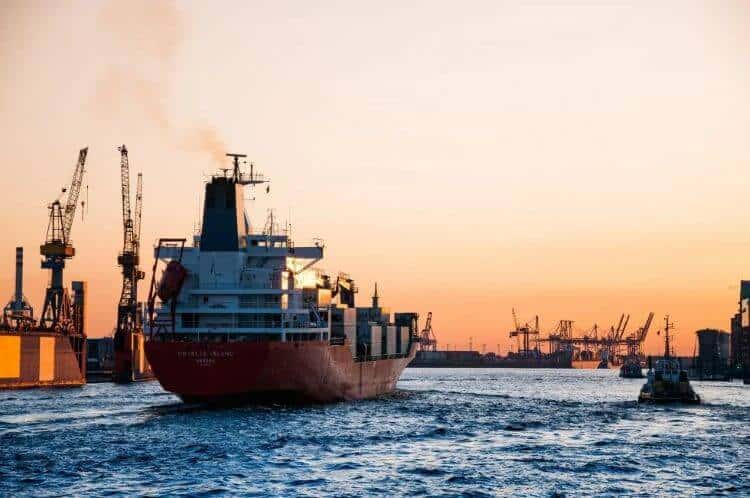
Around 80% of goods shipped around the world are transported by sea. If you’re in the business of international trade, you have to understand how sea freight works so you can avoid delays, manage your costs, and plan your shipping better. This guide will cover all the basic information you need to have a successful sea shipping.
LCL vs. FCL
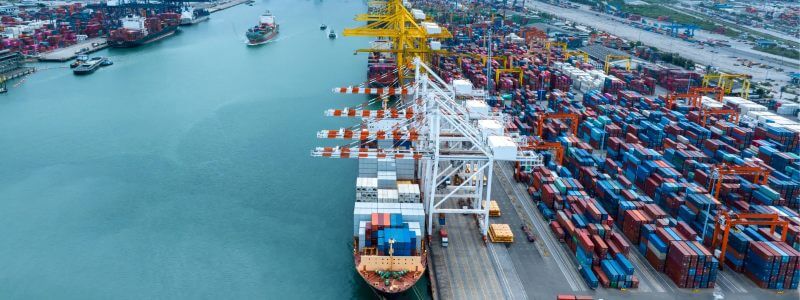
LCL and FCL are the two major ways to send cargo in containers. LCL stands for Less than Container Load, and FCL means Full Container Load.
If you choose FCL, it means you are using one full container just for your goods. You do not need to fill the entire space, but the container is sealed and only contains your products. This method is safer and faster because it avoids the process of consolidating and unconsolidating goods. Also, it is sometimes cheaper per unit if your cargo is large enough.
On the other hand, “LCL is used when your cargo is placed in the same container” as cargo from other people. In this case, you only pay for the space your shipment takes up, which is measured in cubic meters (cbm).
The choice between LCL and FCL mostly depends on the size of your shipment. We recommend you choose FCL if your shipment is large, valuable, or needs to arrive faster. Choose LCL if you’re shipping small quantities and want to save on costs. If you’re ever unsure, ask your freight forwarder to compare both options for your shipment and give a recommendation.
Step-by-Step Sea Shipping Process

Booking Your Shipment
The first step is to involve your freight forwarder and provide them with information about your goods and the final destination. They’ll book a shipping carrier for you and coordinate the entire process. When your booking has been confirmed, the shipping company provides a bill of lading.
Preparing Your Cargo
You must pack your goods carefully so they’re not damaged during transit. After packing, properly label them so they go through customs smoothly.
Export Customs Clearance
Your goods must clear export customs before leaving the country. You or your freight forwarder will submit documents and fill the necessary forms to ensure they comply with export regulations.
Transportation to Port and Loading
If you use reliable freight forwarders like Winsky Freight, we’ll pick up your goods from the warehouse and organize inland transportation to the port by truck or train. They’re then loaded into containers after inspection.
Ocean Transit
During transit, you can track your cargo using the number on your bill of lading or by asking your freight forwarder. Depending on the type of shipping you choose, the ship may sail directly to your destination port (Direct shipping) or stop at other ports along the way (Indirect shipping).
Import Customs Clearance
When your goods arrive at the destination port, they must also clear import customs. Besides the documentation, you must pay import duties and taxes if required. Customs then checks your documents and may inspect your container before release.
Final Delivery
The final stage of sea shipping is the delivery from the port to your warehouse or destination address. You check the goods for damage and sign a delivery receipt that confirms your cargo arrived in good condition.
How Much does Sea Freight Cost?
The amount you pay for sea shipping depends on these factors:
- Size and weight of your shipment.
- Type of goods
- Distance between the two ports
- Shipping route used
- Type of containers used
- Season of the year
- Port fees and surcharges
You can get a quote on your shipment from China to have an overview of the costs.
How long does Sea Freight Transit take?

A simple way to understand sea freight timing is this: short trips between nearby countries take a few days, while long international shipments can take several weeks.
On average, sea freight takes between 20 to 45 days, from one port to another. For example, shipping from China to Europe usually takes about 25 to 30 days. From China to the west coast of the USA, takes around 15 to 20 days, and to the east coast, about 30 to 40 days. Shipping between Asia and Australia is faster, around 5 to 15 days.
But remember, sailing time is just one part of the journey. Total transit time also includes loading and unloading at the ports, customs clearance, and inland transportation. Also, shipping during peak seasons can add extra weeks to your shipping time. Check out our guide to peak season shipping to plan ahead for this.
Advantages and Disadvantages of Sea Shipping
Advantages
- Cheap mode of shipping for large goods
- Can transport large volumes of cargo
- Eco-friendly shipping
- Reliable mode of transportation
- Flexible container options
- Lesser number of restricted/prohibited goods
- Global reach
Disadvantages
- Slow shipping method
- Possible delays from port congestion, customs, and weather.
- Higher risk of damage (for LCL)
- Involves complex documentation
- Hidden costs and fines like demurrage fees
Key Documents in Sea Shipping
- Bill of Lading (B/L)
- Commercial Invoice
- Packing List
- Certificate of Origin
- Insurance Certificate
- Export/Import Customs Declaration
- Shipper’s letter of instruction
Common Sea Shipping Terms (Incoterms)
Incoterms matter because they clearly define who pays for shipping, insurance, customs and when the responsibility or cost shifts. The most common ones used in sea freight are:
EXW (Ex Works): You pick up your goods at the seller’s warehouse and handle export, shipping, insurance, and customs. All the responsibility is yours.
FOB (Free On Board): The seller loads your goods onto the ship at the port of origin and clears export. Once loaded, all cost and risk shift to you.
CIF (Cost, Insurance, and Freight): The seller pays for shipping and minimum insurance to the destination port. But once goods are on board, risk moves to you.
CFR (Cost and Freight): This works like CIF, but the seller does not pay for insurance. The risk also shifts to you when the cargo is loaded onto the ship.
FAS (Free Alongside Ship): The seller places goods next to the vessel at the origin port and clears export. You handle loading, shipping, and everything from that point.
DDU (Delivered Duty Unpaid): The seller delivers the goods to your country and even to your destination address, but you must pay import duties and taxes when the goods arrive.
DDP (Delivered Duty Paid): It is the most all-inclusive shipping plan. The seller or freight forwarder is responsible for shipping, insurance, import duties, and delivery to your door. You just receive the goods.
Winsky’s Tips for a Smooth Sea Shipping Experience
“Winsky Freight is a reliable and reputable freight forwarder” based in China for over 15 years. We’ve helped thousands of importers ship their goods across the world. Here are our top tips for importers during sea shipping:
- Always plan and budget ahead. Never wait until the last minute to book space.
- Work with a reputable freight forwarder. They will make all the difference.
- Know the basic details about your shipment like their dimensions, type, destination, etc.
- Choose the Right Incoterm based on how much control and responsibility you want.
- Double-Check documents to avoid mistakes that can lead to custom fines or delays.
- Protect your goods with strong, export-grade packaging that is in line with import regulations.
- If possible, get shipping insurance.
- Track your shipment during transit
Conclusion
In this article, we’ve explained the basics of sea shipping. However, we understand that the entire logistics process can still feel overwhelming. Don’t worry, use Winsky. We’ll help you handle booking, documentation, customs, and delivery very quickly at affordable costs. Once you’re ready to ship, contact Winsky for an excellent shipping experience.
Leave A Comment